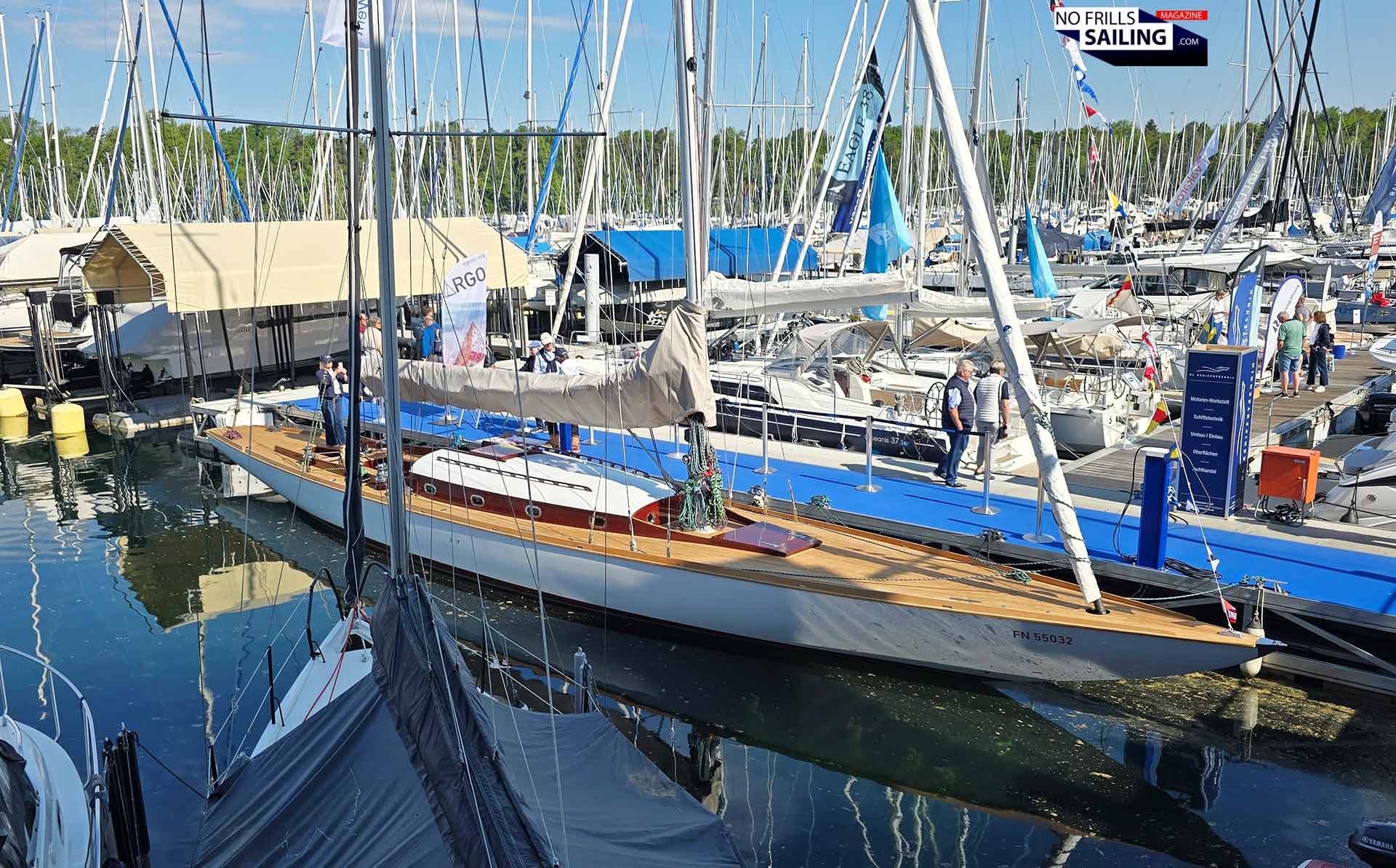
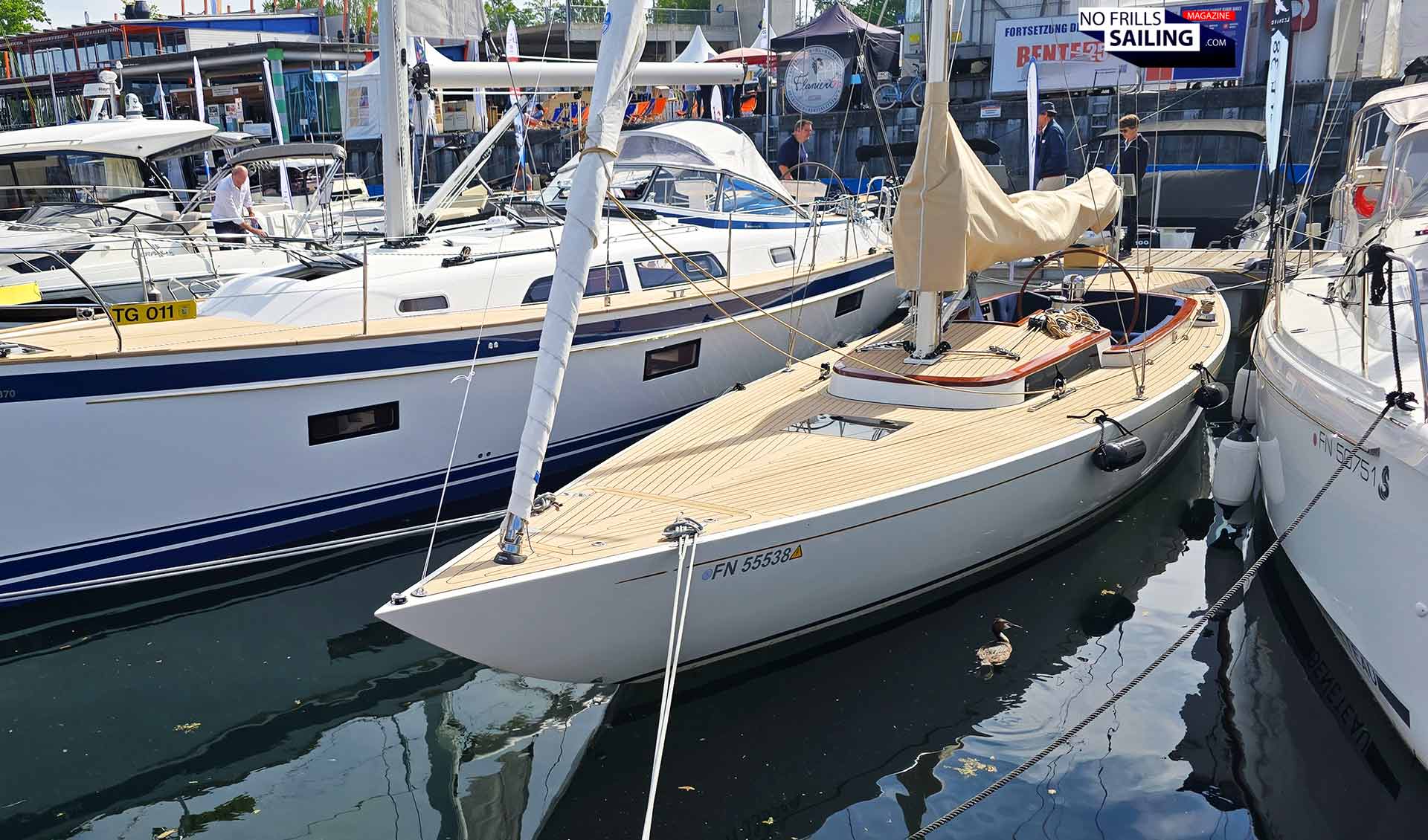
Keeping alive the maritime heritage is a must, preserving history to make it palpable and bring it nearer to our children needs passion, dedication and lots of money. I´ve visited SY ARGO, a classic Abeking & Rasmussen skerry cruiser built in 1932, which had been launched recently after extensive refurbishment. Not as a museum, but as an active sailing yacht for the youth. What a beauty! What a beautiful story!
The boat´s name, ARGO, is directly derived from the classic Greek tale of Jason and his Argonauts. It´s one of the big Greek myths that is a must-read just as Homer´s Iliad and of course the Odyssey. Jason and his men, the Argonauts, traveled far and had to overcome huge obstacles in search of the Golden Fleece. It´s a great story to be read, the 1963 movie is an all-time classic, depicting the fantastic world and its creatures in wonderful shots and breathtaking practical effects.
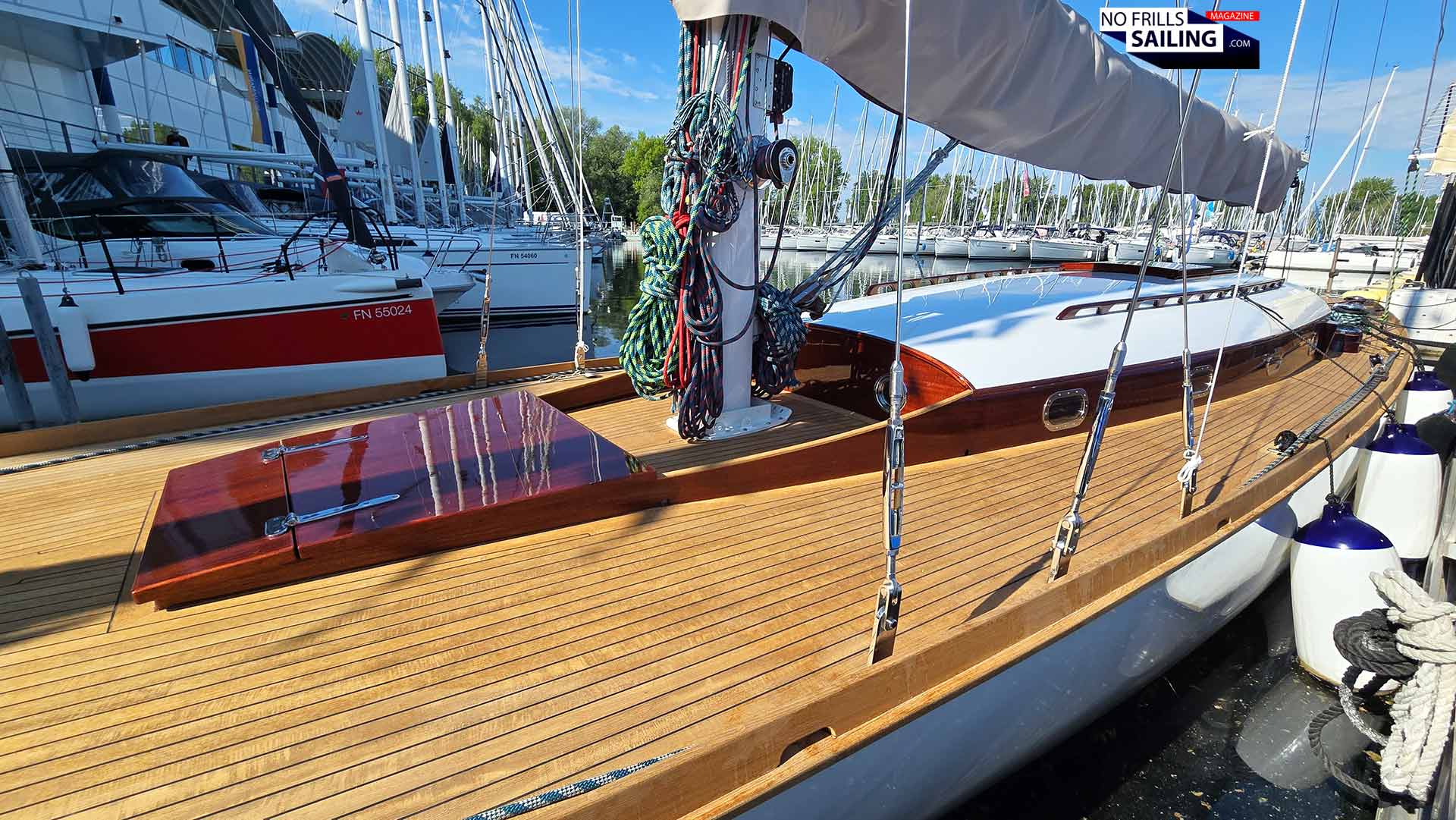
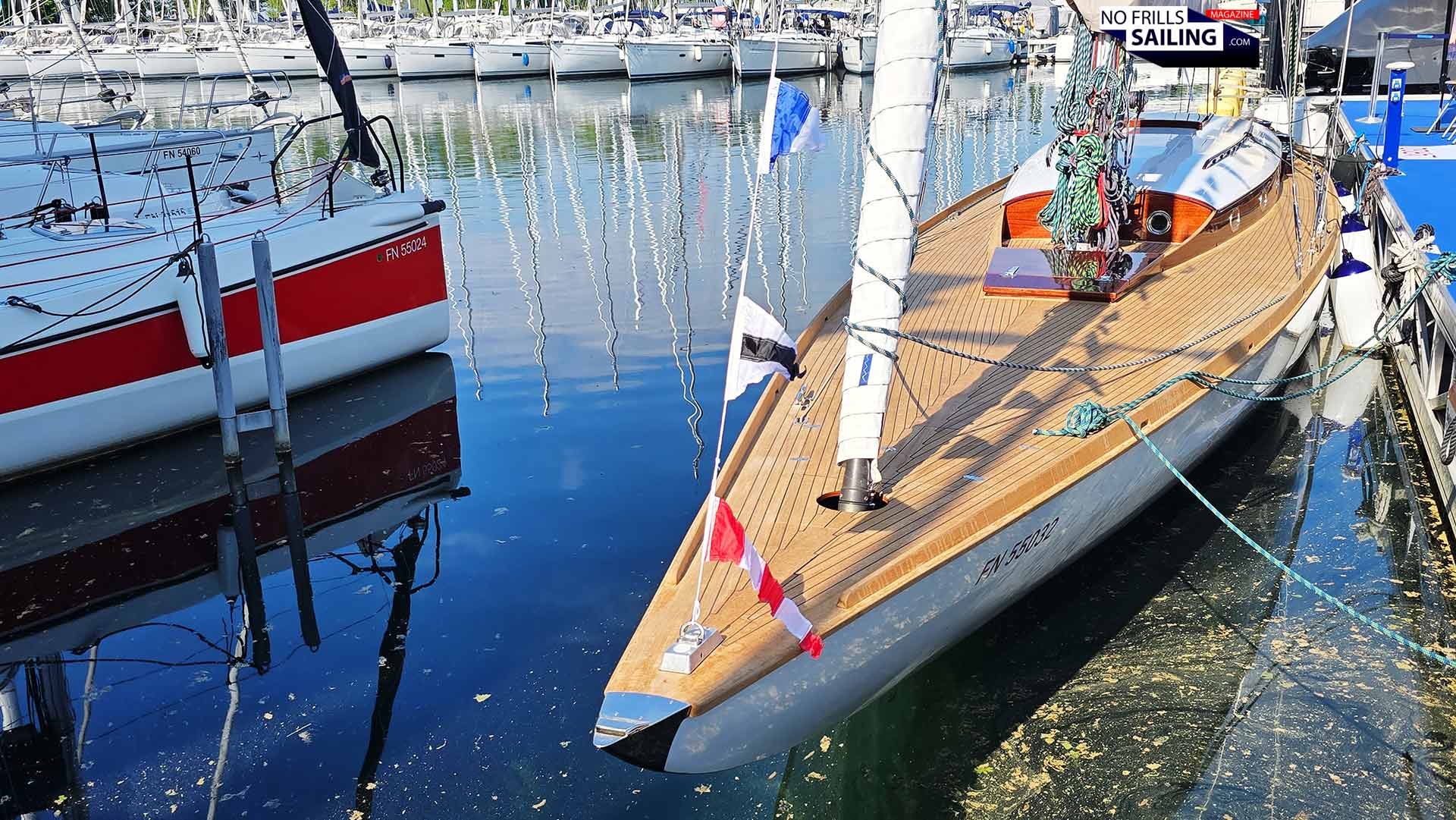
Almost 19 meters of pure sleek beauty!
Like Kirk´s ENTERPRISE or Captain Bligh´s BOUNTY, the ARGO is the very ship which enables the heroes to bridge the vast distances and reach the mythical shores. I am sure that an uncounted number of sailing yachts and boats bear that name, but here´s one that really deserves it and lives up to the burden and expectations of this title. Last weekend, during the Lake of Constance boat show, I was lucky and happy witnessing the launch of ARGO after her extensive refit. It´s truly a story worth telling.
More than preserving maritime heritage
Advertisement
ARGO is a breathtakingly beautiful classic 75er skerry cruiser built by renowned shipyard Abeking & Rasmussen. Her tempting lines are absolutely timeless and convey elegance, beauty and style as well as power, sheer speed and sleekness. These classy skerry cruisers had been the blueprints for later, more modern versions in the 20iest Century and can thus be seen as the grand-gran-mothers of the yachts being built during the “Golden Age of Swedish yachts” in the 70ies through the 80ies. In a way, skerry cruiser-aspects are part of the DNA which made Peter Norlin design my Omega 42 for sure!
1932 classic Abeking & Rasmussen yacht
The ARGO had been built at the A & R shipyard near Bremen, where this shipyard is located still to this day. Modern super- and mega yachts are being built there, huge power boats of course, but now and then a mast top can be seen mooring next t the towering huge construction halls. This is where almost 100 years ago, in 1932, ARGO had been constructed: Back then under her initial maiden name, SCHWANENWEISS, which loosely translates to “swan white”, owned by a Berlin-based sailor who used her as a regatta-yacht on the Berlin lakes. Later she had been transferred to the Lake of Constance, the farthest southern tip of Germany, where she started her audacious career as a very, very successful, an all-out racing yacht
The challenges of a classic sailing yacht refit
ARGO was the fastest ship on the lake for decades. Winning (among many, many other trophies) the “Blue Ribbon” for no less than eight times. The “Blue Ribbon” is awarded to the winning yacht of the long distance-races around the whole Lake of Constance, an often challenging and trialing regatta with storm-wind forces and really tricky conditions. In the 1960ies and 70ies heavy racing modifications, such as a then-new aluminum mast, trapezes for the crew and other things had been applied, ARGO remained a winning yacht.
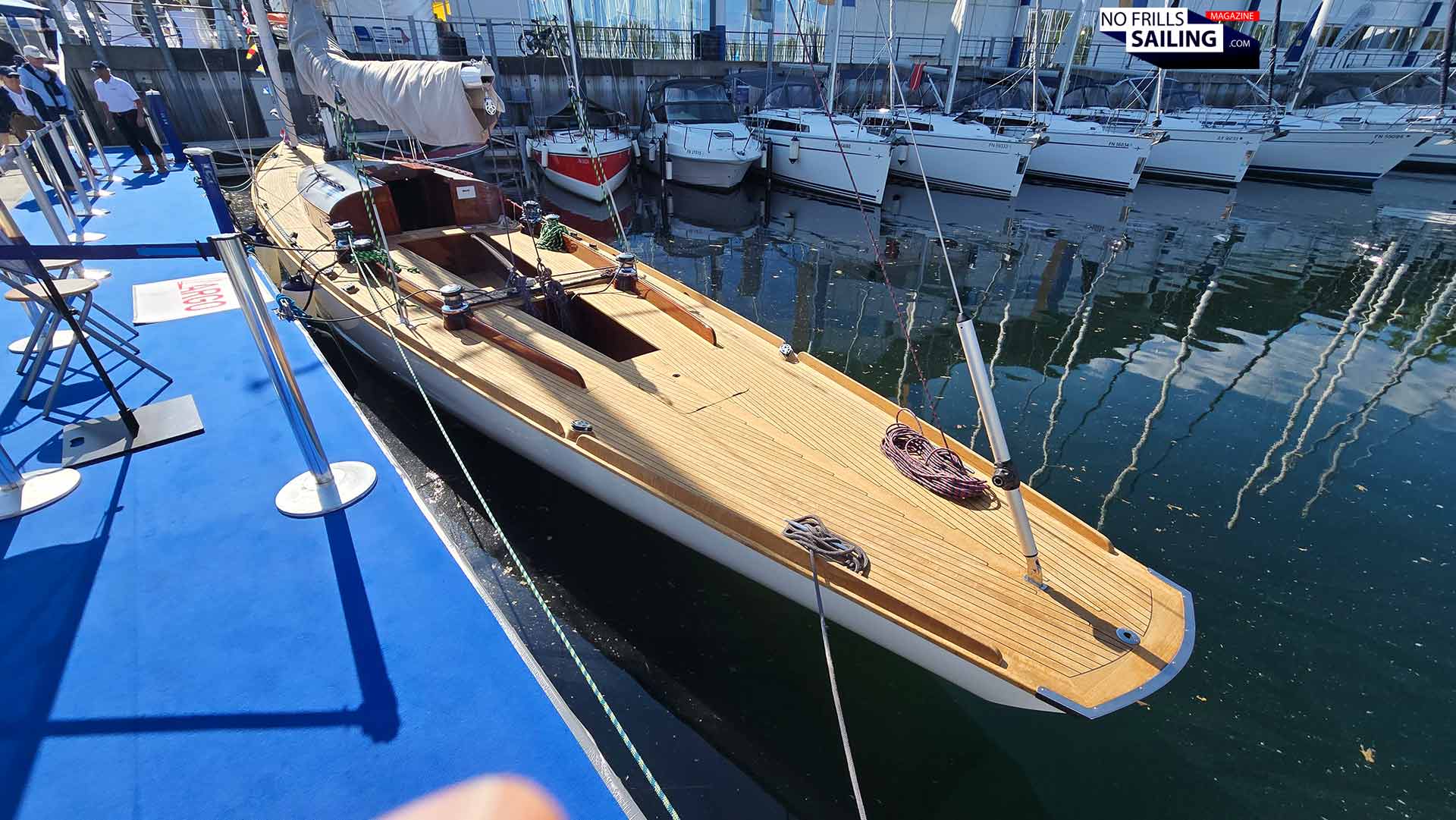
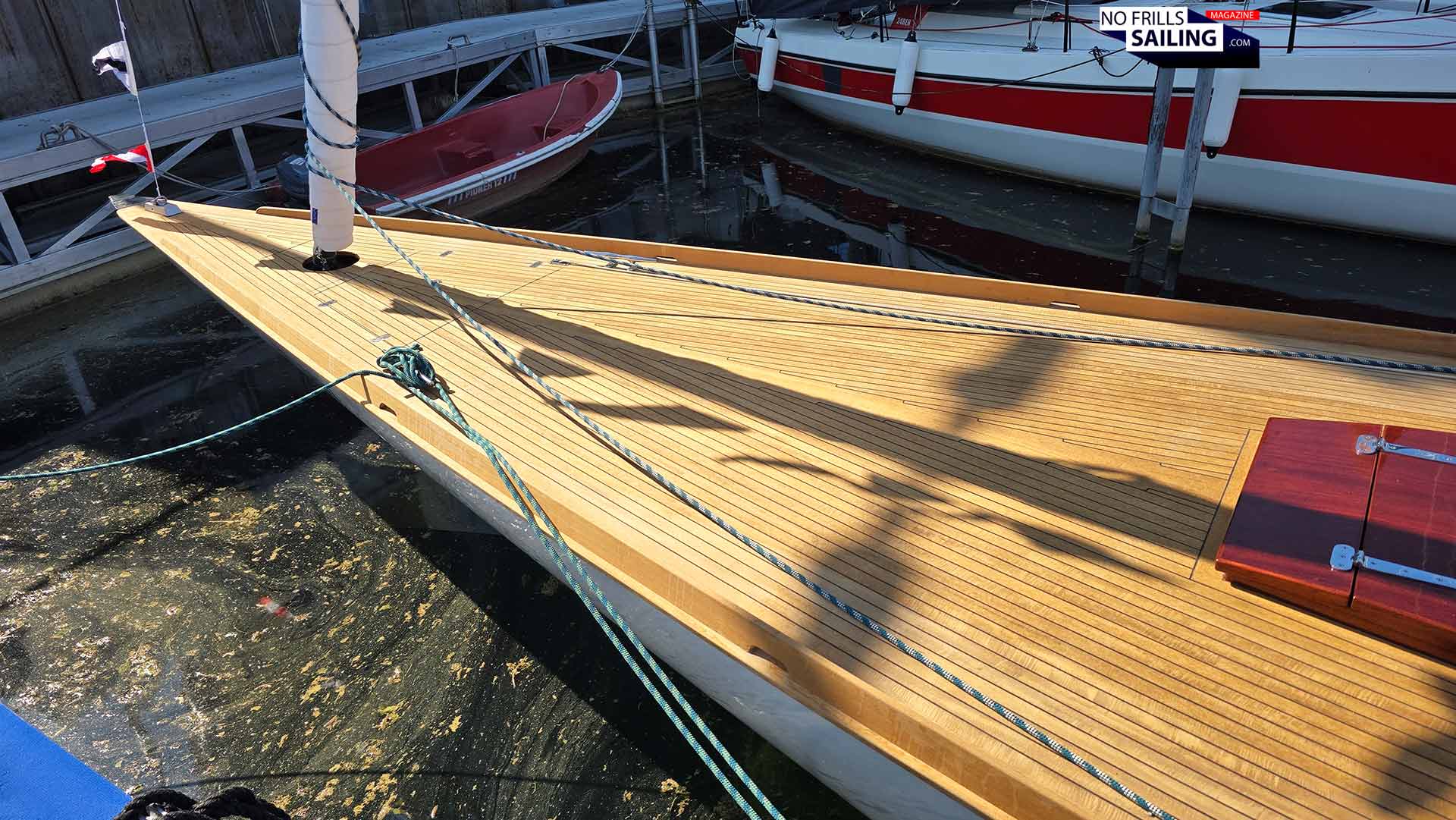
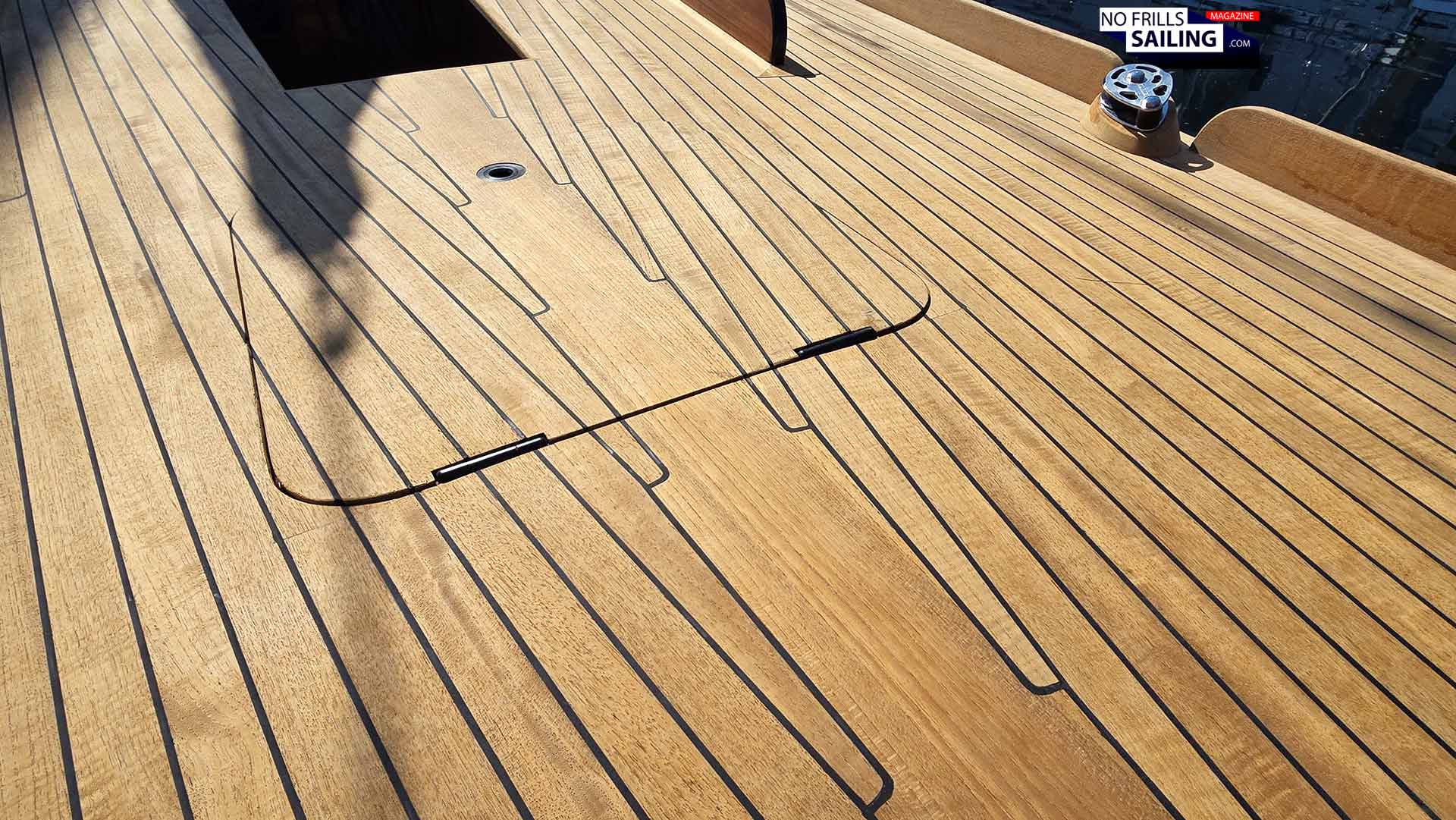
Fully restored, brand new Teak deck
After that, with the advent of modern (planing) carbon yachts and all-out racers, she couldn´t compete seriously anymore and was converted into some cruising mode up until she had been taken out of the water and put on dry storage, where she spend the last 30 years. Almost forgotten. Until that day when the daughter of her last active owner decided to revive her once more. Breathing new life into ARGOs third iteration of being a yacht, she founded a charity association. What if this wonderful boat would not just be sailing again in full grace, but host young people to inspire?
You can smell this photograph!
This is how many private and business partners started to support and sponsor the intricate refit of the yacht. She was transferred to the renowned Michelsen shipyard, which at the Lake of Constance and beyond its shores has an excellent reputation as being specialists for wooden boats, restorations, repairs and refits. As I was talking to the guys of the ARGO club, they wouldn´t tell me the exact amount of money that had to be moved to achieve this wonderful outcome of the refitting-project, but I am sure we are talking about several hundreds of thousands of Euros. And boy, it is worth every single one of them!
What a beauty!
The hurdles seemed all-too overwhelming at the beginning: ARGO is a steel-frame with Mahogany planking and Teak-deck. Nobody knew in which conditions the structure as well as the planking really was, so the first step was a proper and elaborate evaluation of the true status of the yacht´s different parts. Maybe it was the Greek Gods, but as it turned out, only the deck and the coachroof superstructure would have to be completely rebuild – the structural framework, the wooden hanging knees as well as almost all of the planking were in surprisingly good shape! It would thus be possible to preserve most of the original material, which is a rare gift in classic refit projects.
Striking the balance between historic preservation and modern demands
There is always a kind of contradiction between the motivation of preserving as many things as possible to “keeping it real” and the need, often also enforced by legal obligations such as safety requirements, to transform “classic” into “modern”. I could clearly see many of these concessions and upgrades, most of which had been elegantly hidden or at least applied with utmost care.
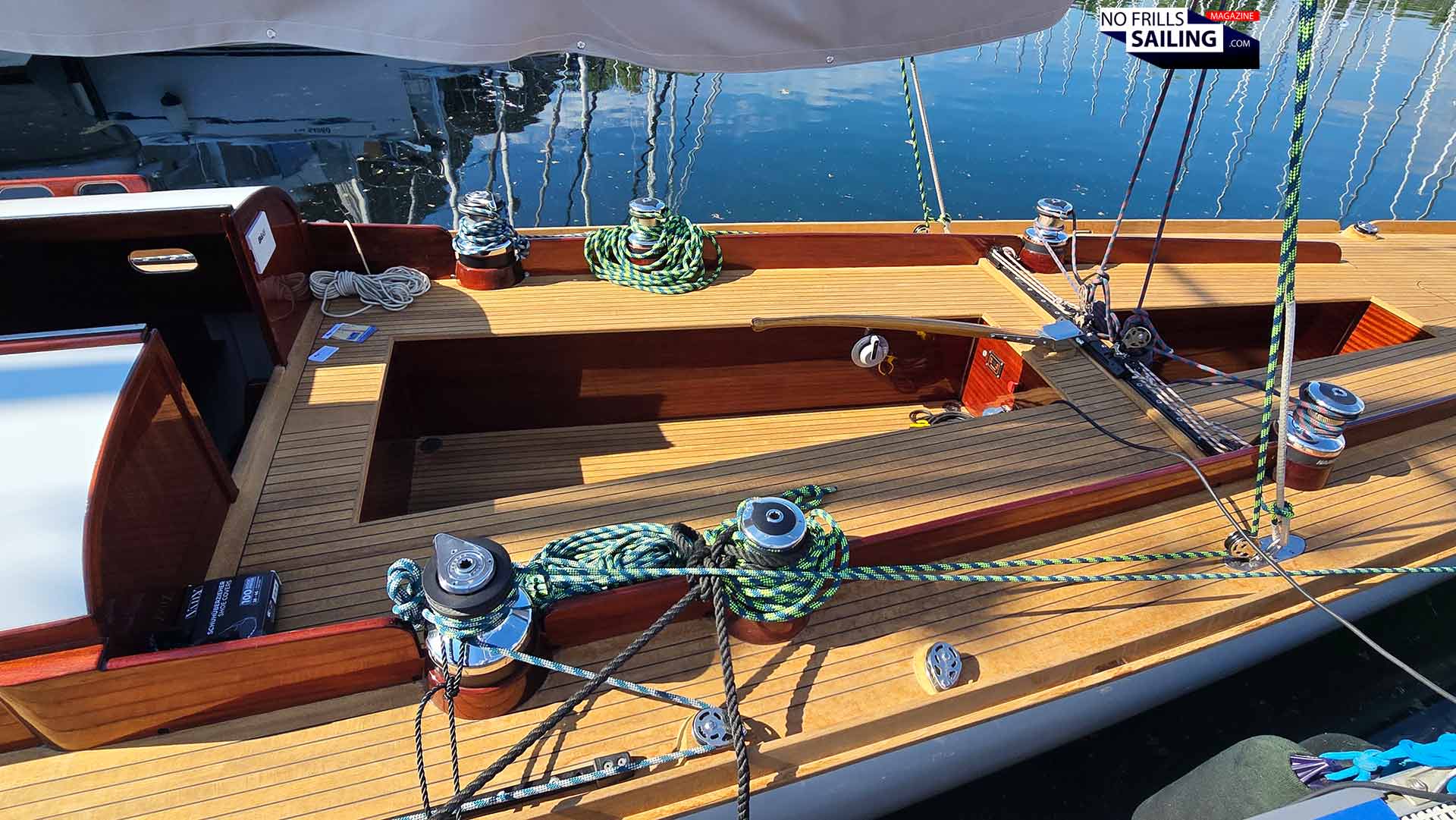
ARGOs cockpit
A little detail though made me raising my eyebrows: The winches! Nothing against modern Lewmar or Harken winches, but at least on a yacht like this I´d have been expected to see Andersen winches for sure! This is the one an only thing I am in discontent with, everything else had been solved elegantly. Even the modern-day running rigging for sheets and halyards kind of nicely added a colorful, modern touch to the yacht´s appearance.
Modern electric propulsion
Here´s a tiny detail you´ve probably overlooked in the picture above: Look again, down there near the floor of the cockpit´s righthand side. There´s the throttle lever I was instantly familiar with as it is made by German (now Japanese Yamaha-owned) electric propulsion brand Torqeedo. My last sailboat, GEKKO, used to sport the same parts for her all-electric propulsion system, which means that ARGO is powered by lithium-ion batteries and a pod-drive. This makes absolute sense for a yacht sailed on an inshore area like the Lake of Constance.
Boatbuilding at its best …
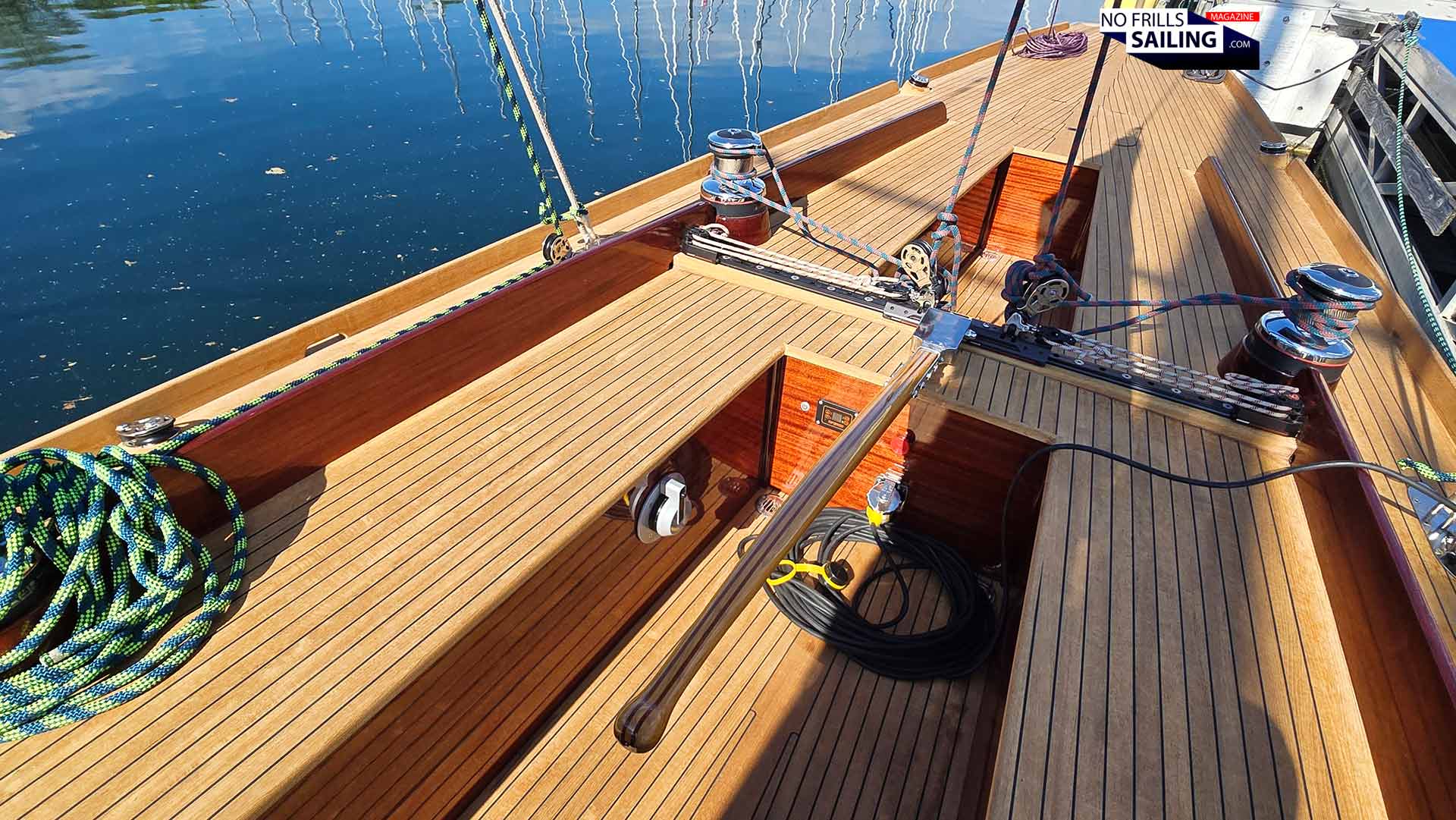
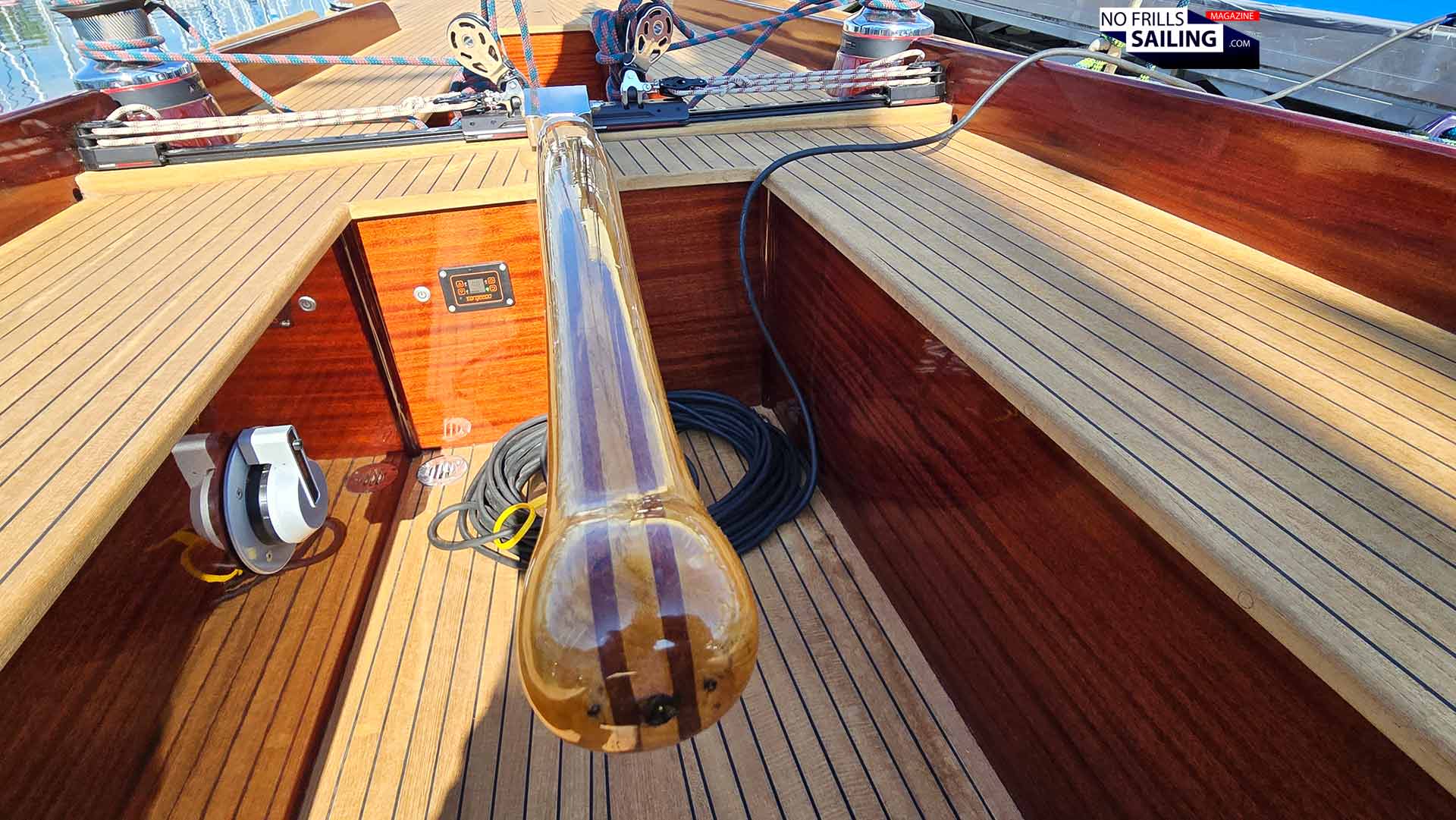
Let´s stay with the details a bit, because the guys at Michelsen shipyard have really delivered some great work here. I am currently looking for many, many solutions for my own new yacht as well, one of which is the very tiller for the boat. As this is the one thing you will have to use most when sailing, special care and emphasis should be put on this wooden part. It is indeed far more than just a lacquered stick …
Awwwww. Craftsmanship!
The tiller mounted to ARGOs rudder is very beautiful: It has been made from a solid piece of timber, nicely shaped and sanded, but cut open twice all along the longitudinal axis and “filled” up with two layers of darker timber. It´s classy, it´s very beautiful and I am sure this adds to the stability and ruggedness of the tiller itself. Of course did I send this picture directly to my own shipyard: “Can I have such a tiller too?” We will see …
I need such a steel cap too
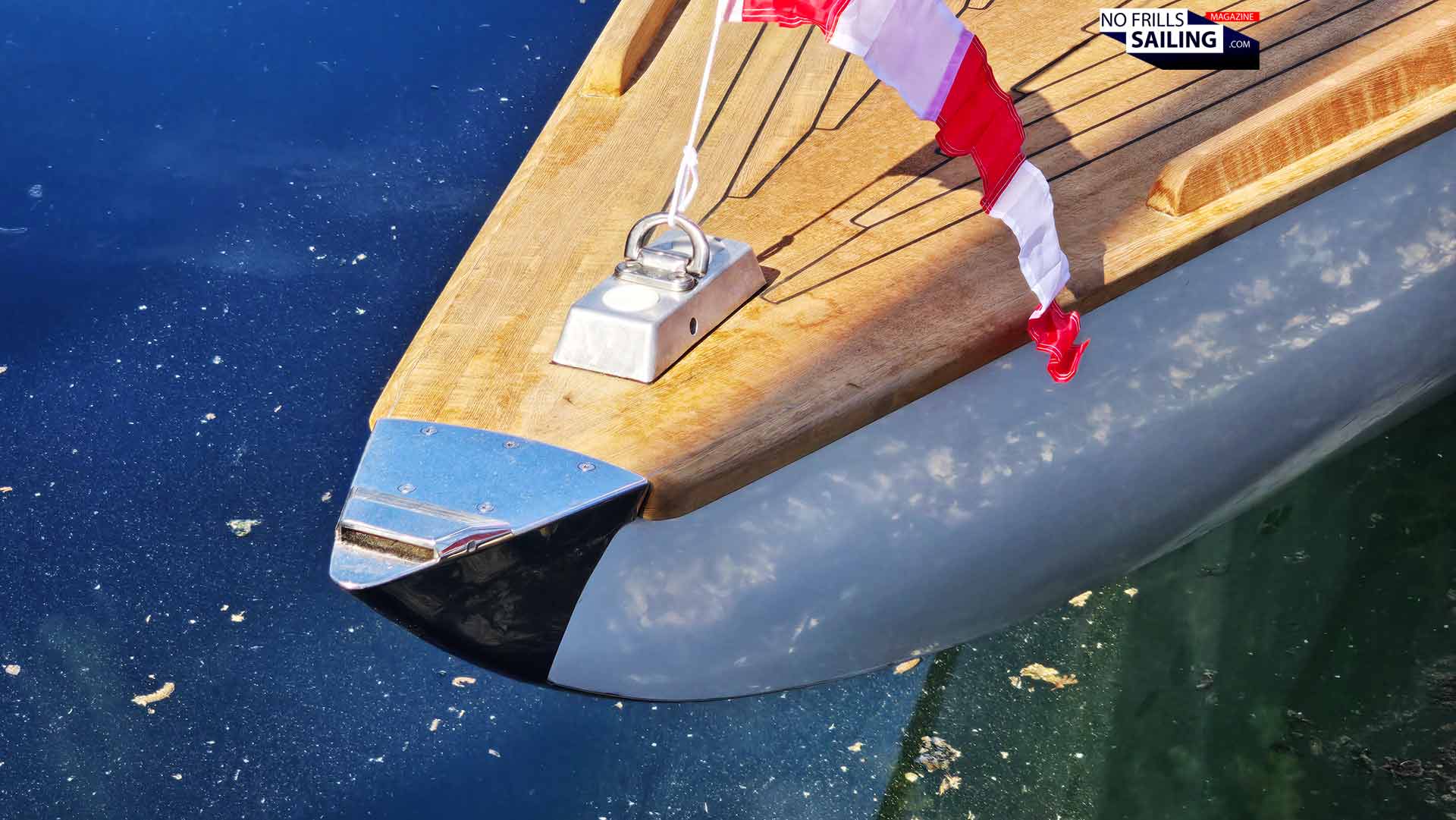
Another inspiring detail (amongst so many aboard ARGO), was the stainless steel bow protection at the tip of the hull. You can sometimes see their modern day counterparts on the stems of cruising yachts, protecting the fragile laminate from head-on rammings, all-too motivated berth approaches. Not often beautiful, these really save skipper´s asses. They are even more useful on classic yachts, such as my Omega 42, because large overhangs tend to cause misjudgments of distances, standing at the far end of the boat. Of course I texted to my shipyard: “I need such a steel cap as well!”
Adapting a classic sailboat to the 21st Century
ARGOs rigging is also an interesting story. After removing her original tall, sleek and wonderful wooden mast to replace it with a more modern alloy mast, the boat was able to sport modern sails and lines when being raced three decades ago. But now the guys decided to replace even this mast. The aim of the ARGO club is to bring young people to sailing – she is not going to seriously compete in all-out racing (though regattas are planned). A new mast had been designed, shortened by no less than two full meters.
New mast, of course
This reduced the air draft from 21 meters to – still very impressive – 19 meters. The original sails area of a 75er skerry cruiser was, guess what, 75 square meters of canvas. The modernized version of ARGO will sport around 100 square meters, even with the “cut down” mast! I am more than convinced that this sails area will accelerate the almost 10 tons of fully laden yacht to a still impressive speed. I asked, but it wasn´t possible to sail on that boat during the launch weekend, but I will certainly return and try to experience this yacht under sails!
To remain connected and not miss this article, or any other blog published here on NO FRILLS SAILING, you should subscribe to the monthly newsletter now if you haven´t already. It´s a very convenient way to check which topic suits and interests you and just read it, instead of occasionally checking this website. Remember: There is one fresh article each three days here! So retain your overview and use the newsletter. Now, back aboard: How does she look like down below?
Below decks: Time capsule ARGO
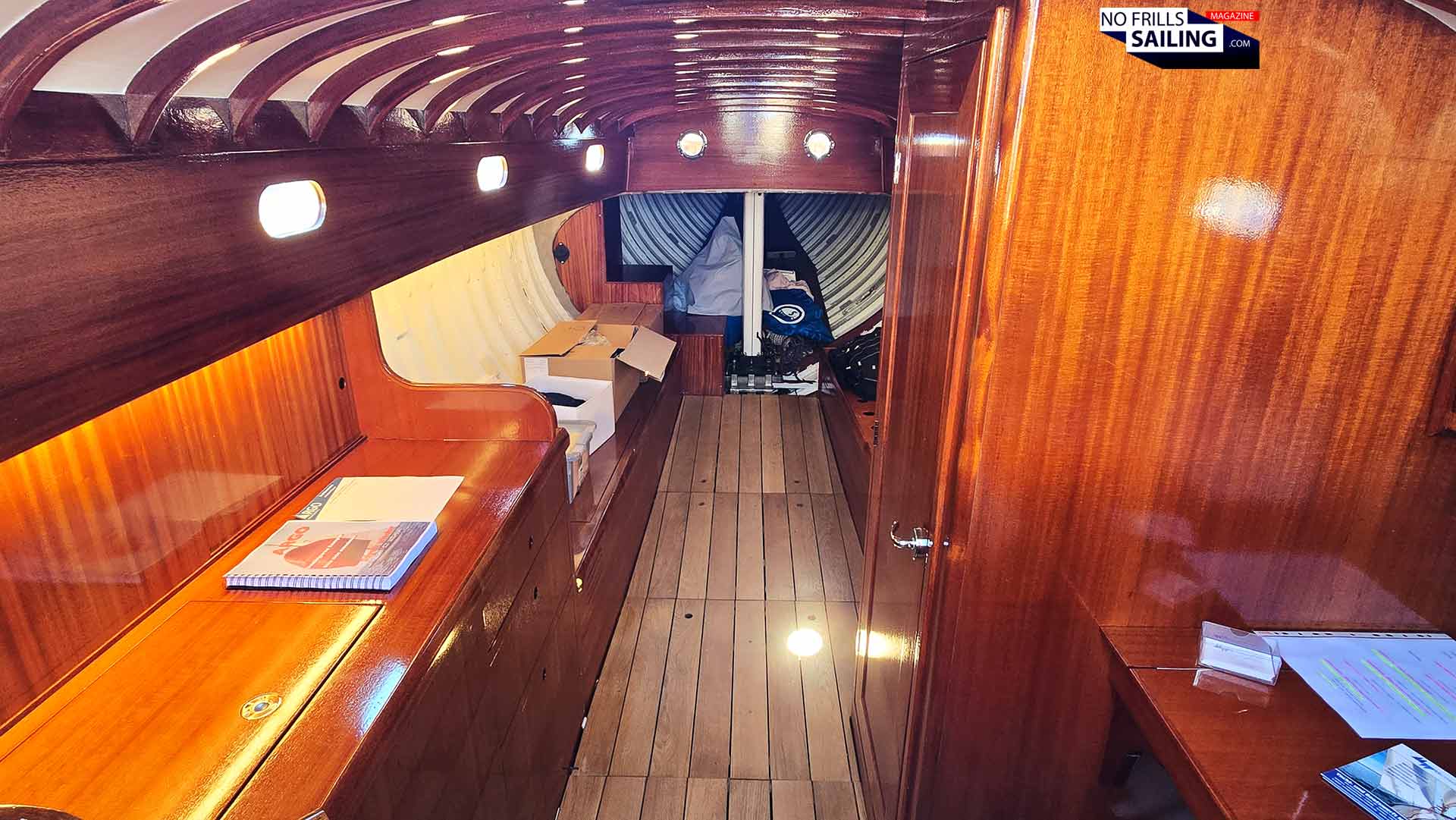
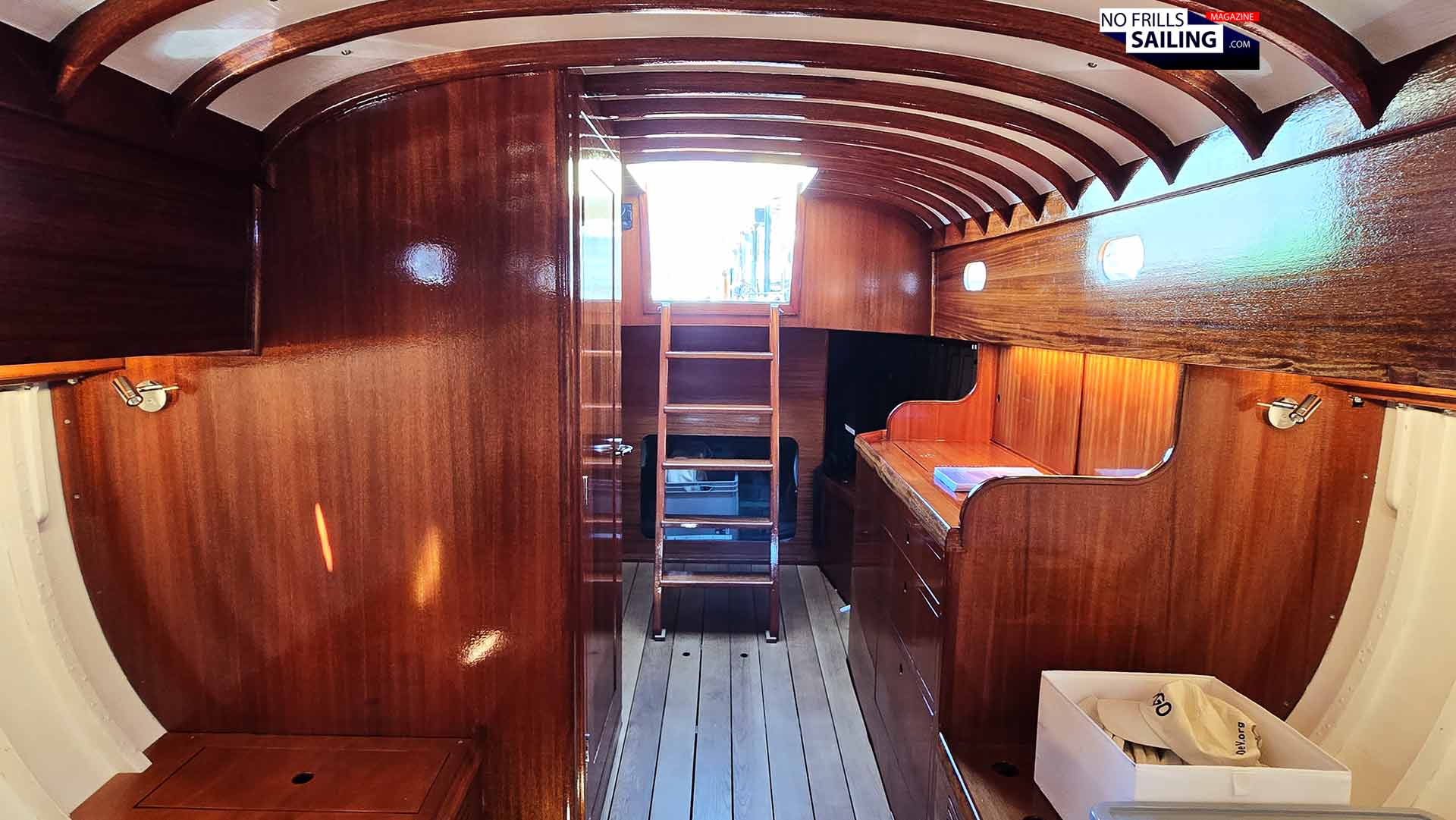
As a racing yacht, she wasn´t made to sport a lush salon or the luxury of cabins. At least this is the interior layout ARGO is presenting today. The whole boat´s length from stern to bow is one continuous space. No bulkheads, no doors, no cabins – except for the bathroom of course. I really loved it the first time I went below as this is exactly the idea I´ve had in mind with my own Omega 42: If you have the luxury to own such a classic sleek long boat, don´t build up obstacles! Rather enjoy and celebrate the sleekness.
Down below decks: Classy atmosphere
Upon entering down the steep little ladder, there´s the classic compartmentation: To my left hand side a little galley with a fridge and stowage, but no stove or burner whatsoever. Maybe this is due to minimizing fire hazards or just the fact that this yacht will be used as a daysailer with no need at all to installing a full stacked ship´s galley. On my right hand side the only cabin, a small bathroom, which I will show later.
Cushions and tables still missing
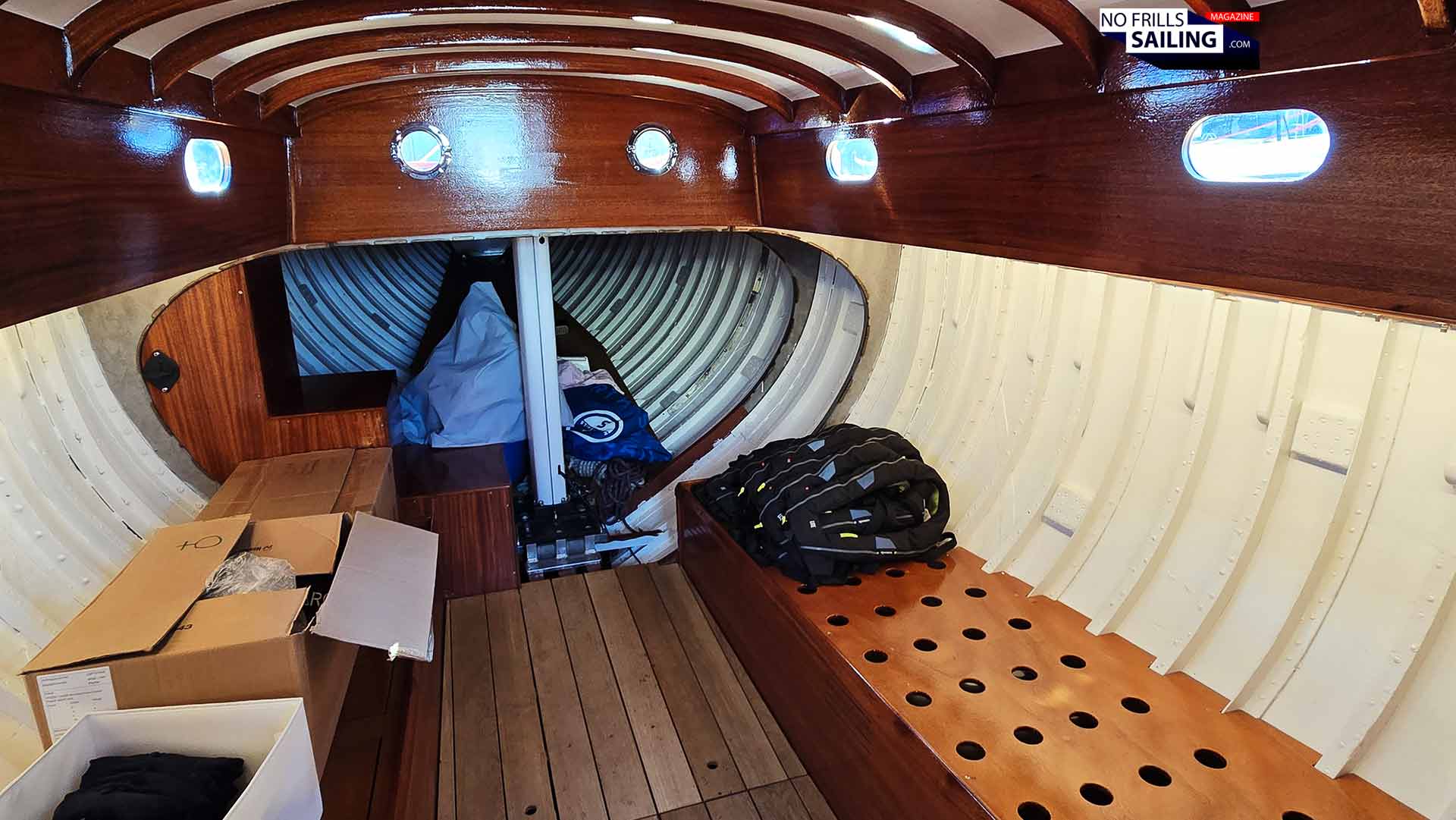
Passing by more to the front, the boat´s floor follows the curve of the elegant hull. Headroom diminishes as I approach the berth area. Two long berths or bunks are located left and right, although no mattrasses had been fitted on that day. There wasn´t a table as well, but holes in the floor-planks suggested that maybe two tables can be installed here. Another detail to be checked when I return one day. I can imagine that this area is a nice place to talk, sit down, enjoy a meal or to brief your crew before a day out.
The bare structure visible
The whole bow-area is left open with no decorative planking or covering of the ship´s hull, because there´s no need to make it look nice. Here, sails will be stored. This is a lucky hit because I could thus take a nice detailed look at the boat´s structural construction. You can clearly see the metal frames with two wooden frames in between. The wooden planks are bolted and screwed onto the framework, with wooden hanging knees attached supporting the deck up on top.
Stern view of ARGOs interior
There are occasionally flat metal stringers, mounted to take on transverse forces and add strength. I supposed the outer hull had been covered with one or two layers of glass fibers to add stiffness and overall secure a waterproof hull. The hull´s outside is too smooth to being just wooden, but maybe this is also due to the great boatbuilder´s competence of the Michelsen shipyard.
Reborn to attract new blood for sailing
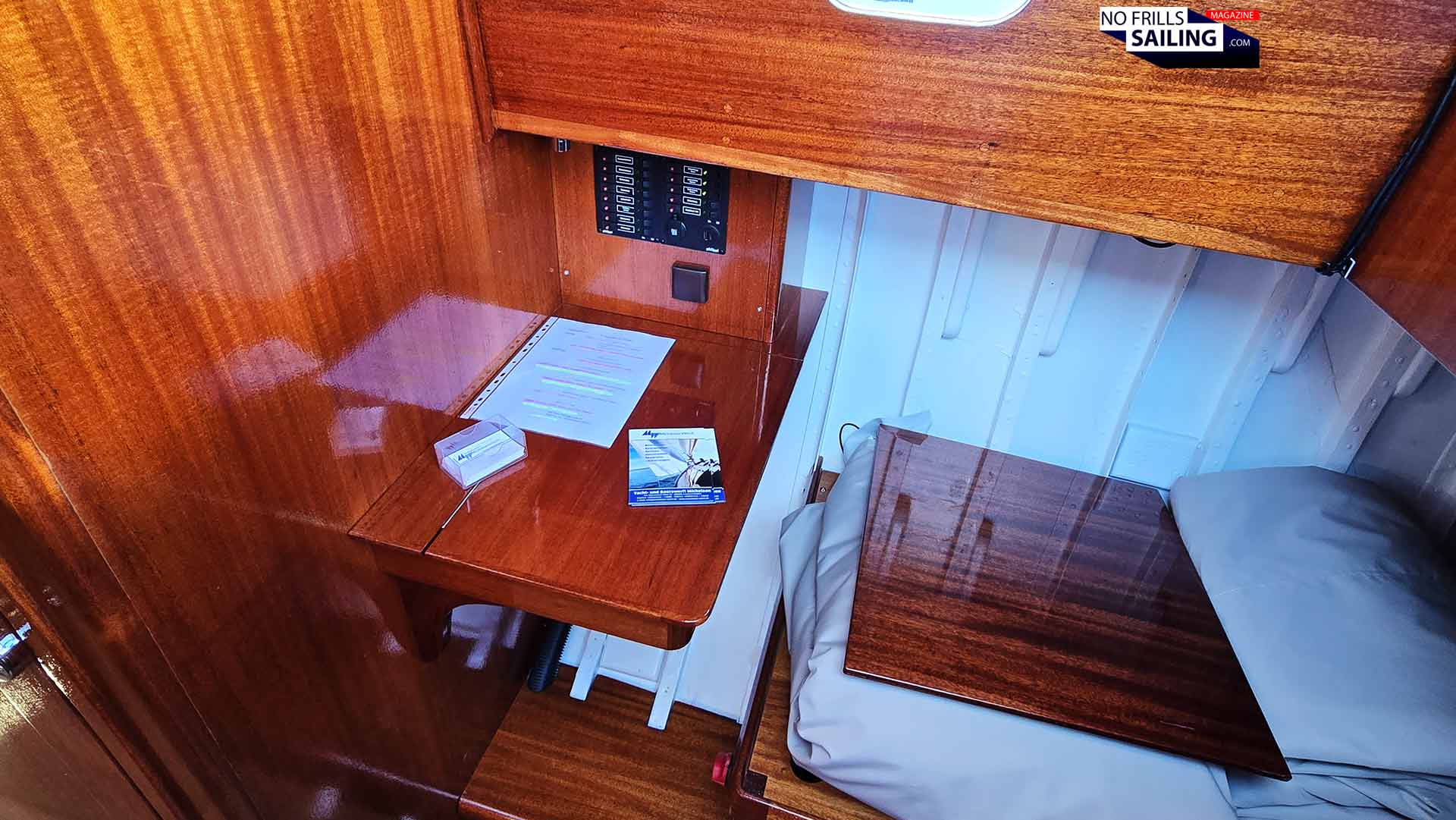
In the stern section I found also two pilot berths, as well without any cushion so far, I am sure that´s a great place for a tired skipper to take a nap, being able to rush up on deck if anything happens. As for the little “galley”, as there is no cooker or stove at all, it may also be utilized as chart table, the tabletop area is huge so that even big naval charts could be easily worked on here. If there´s the need to do chartwork on an inshore daysailer is another questions …
The “galley”
I guess for traditional reasons and for keeping up the historical looks of the yacht, there´s also a dedicated skipper´s corner adjacent to the rear cabin wall of the WC: A small chart table next to the main switch panel invites to sit down and do the logbook entries of the day. The skipper will thus be sitting on the head-end of the starboard side pilot berth. Speaking of the WC-cabin, let´s have a look inside:
A little nav-station
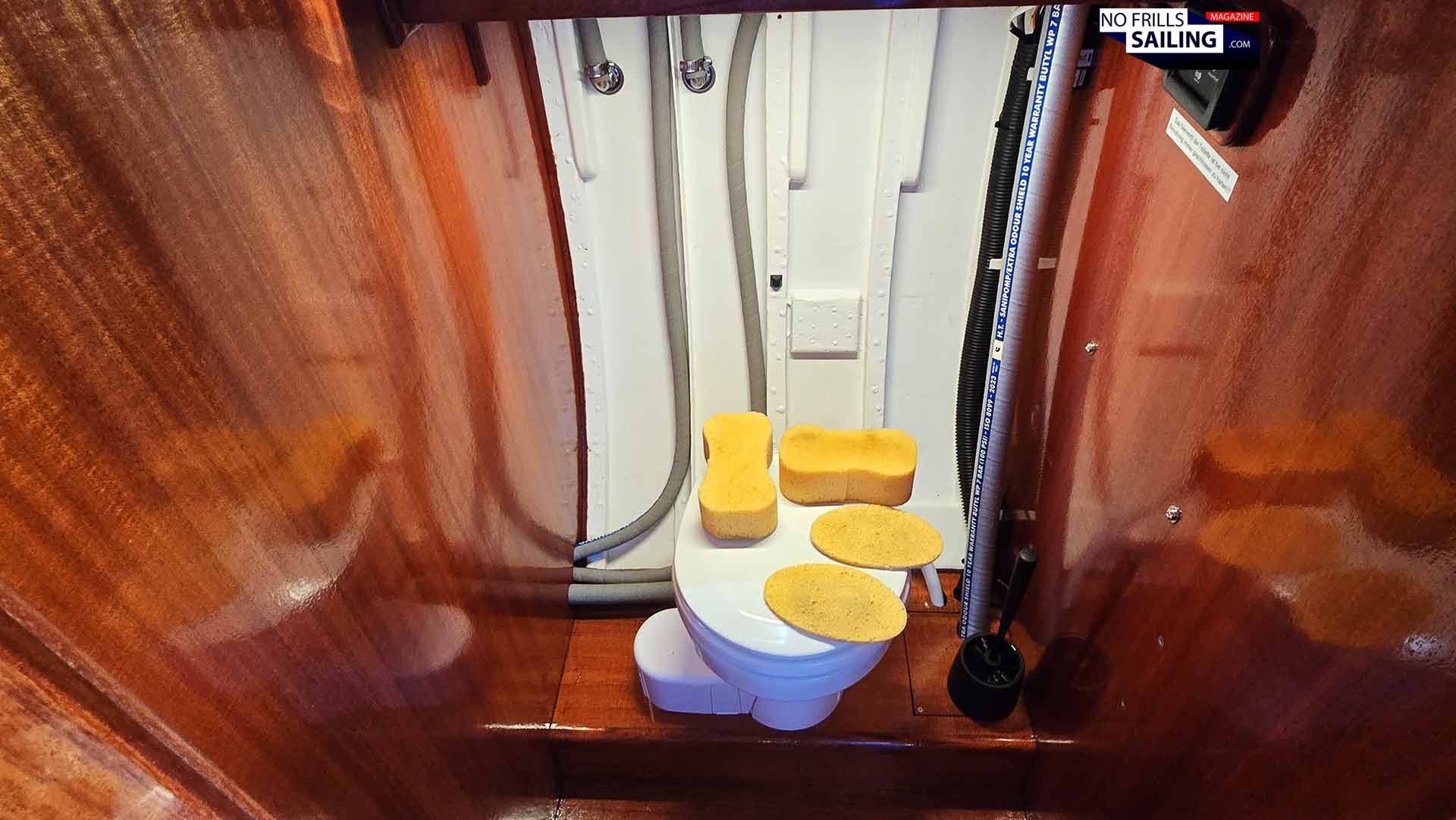
I was surprised to see that the guys had installed an electric toilet, which in hindsight makes absolute sense: Sailing with groups of people, there will be frequent use of the toilet. If you are sailing with less “boat-educated” people, utilization of an ordinary pump-WC may lead to incorrect operation, damage or spillage. It´s a bit astonishing that at least a small handwash basin is missing though.
The hot seat, electric WC
All in all, the boat´s interior is very reduced (which I like very much), but it still lacks a bit of relaxing details, cushions of course, a table and maybe some details, like a classic petroleum lamp or other decorative elements. But hey, this boat is brand new out of the building shed, due to being re-christened that weekend and of course there´s still a lot to do. I am looking forward to maybe returning in some weeks or months to see her 100 percent finished.
Advertisement
What a joy to see her alive & kicking!
I leave the boat as the opening of the boat show draws nearer and I had to start my working day, presenting Beneteau sailboats to prospect buyers. Taking a last picture of this classic beauty, I really appreciate the passionate work of so many people who did their best restoring and keeping alive such a maritime beauty. ARGO was by far the most beautiful yacht exhibited on that boat show – and by far the most un-yachty boat shown here. No bathing platform, no integrated BBQ, no bow-thruster, no bimini. Just sheer beauty and classic sailing power!
Thanks for keeping her alive!
It reminded me of the importance of keeping alive at least a few specimen of what sailing and yachting looked like back in the day. It also made me happy to see that all of these efforts aren´t made to satisfy the needs of one multi-millionaire, treating himself with a luxury gadget but rather to welcome groups of youngsters aboard to go out and sail with them! It´s a great way to instill the love for sailing and the passion for this wonderful sport – so many unforgettable memories are about to being created, adding to the 100 years colorful life of this wonderful boat!
Closest modern yacht to classic sailing
As unattainable and impractical ARGO would be as a private yacht, as realistic is the urge own at least a part of it´s aura. This would be the Eagle by Leonardo yachts, moored just a few meters next to ARGO on that weekend. I´ve already published articles about their 46 footer and 38-feet version and I really hoped to being able to sail with this one the day after the boat show. But for weather reasons (thunderstorm!) we postponed this. So, please be patient, I hope to return to the Constance lake in mid-June and I will attempt a second time to get a glimpse of what sailing the ARGO may be like, by sea trialing the Eagle 38. Stay tuned!
You might as well be interested in these articles about classic sailboats & ships: