
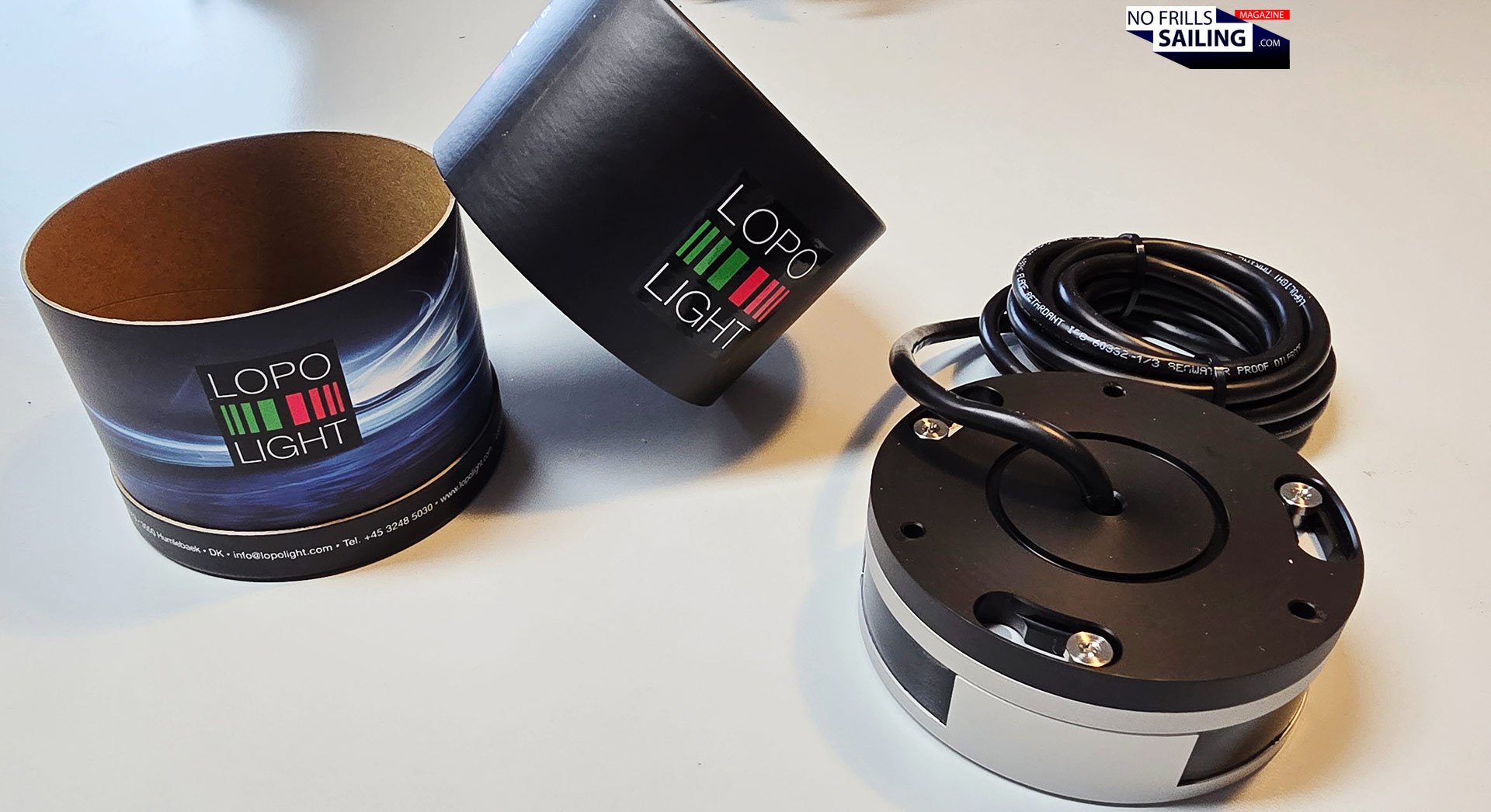
A happy new year, sailors! I hope you all have had a wonderful holiday season and you had been able to celebrate in style, a merry Christmas with your family and loved ones. Having said that, I a sure that one or more items found under your Christmas tree are in one way or the other affiliated with your sailing passion, am I right? Same here: Last time visiting the shipyard where my new boat is currently built, I put two cardboard packages “under the tree”, for the boatbuilders to install.

This time it´s all about navigational lights: The white, the red and the green which makes us visible and enable others to determine our direction of sailing, and if we are sailing at all. Position lights are the one of the early – but very ingenious – invention of globalized shipping that made traveling by night so much safer. With red indicating port side of a ship and green for the starboard side, it´s as easy as ABC even for newbies. So, this articles, by the way and of course not sponsored in any way, is about my product choice … Lopolight.
Why I did´nt go for the cheap stuff
There are many brands you could buy when it comes to position lights, many of which are making really good products. I would highlight the two German brands Hella Marine and Acqua Signal, both making high-class products, for this matter. And of course you could enjoy a bargain when opting for lesser know brands and no-name products. “It´s just a red and a green light!”, you might say. Well, I don´t think so! For once, it´s in my ultimate own interest to be as much visible for other as possible – in any conditions! Secondly, I want something that is durable and rugged. Last, not least, I want something nice to look at.
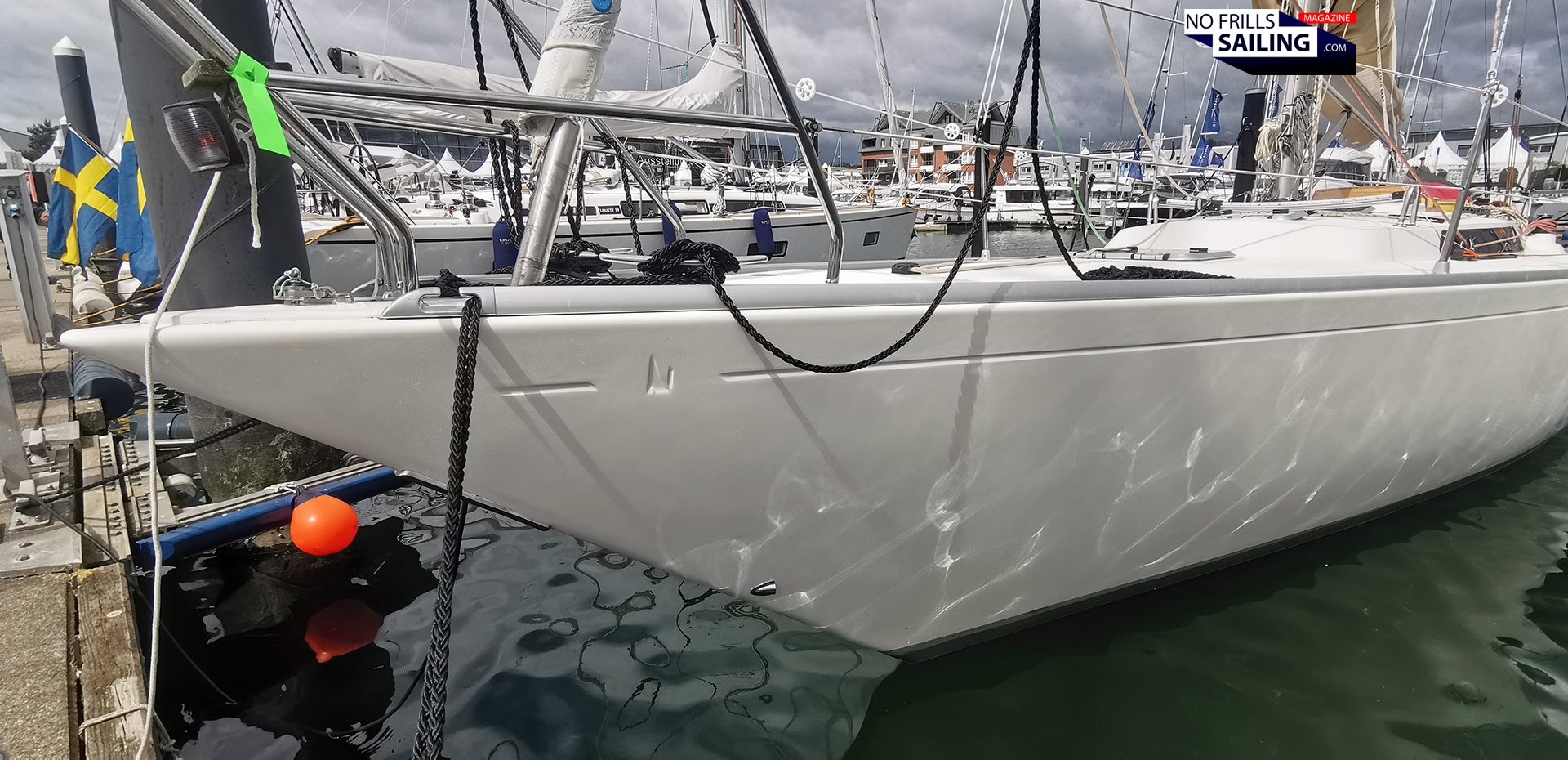
As for WINDFAENGER, my sister ship and hull #001 of the new build Omega 42 yachts, the position lights mounted at her bow didn´t really lived up to my requirements, especially design-wise. Sorry to say, but I found them bulky and ugly. A friend of mine, seasoned sailor, suggested to take a look at this Danish company called Lopolight. I did. And a short research showed that the products of this brand are considered to be the absolute premium quality you can get as a leisure sailor, as well as in commercial shipping and even used for military vessels. So here we go.
Superior build and material quality: Lopolight
Lopolight position lights are made to withstand the harshest conditions at sea. Be it temperature, moisture and the chemical composure of the water. These lights can withstand shocks of up to 50 Gs, which is insane! This friend of mine told me that, a couple of years ago, he had to recycle a stricken sailboat. It was completely destroyed having been grinded by a rockwater for hours. Dismounting everything worth at least something before the shredder came, there was a Lopolight tricolor dangling at its cable, the mast completely broken. He dismounted it and checked it: It still worked, having sustained not even a scratch …
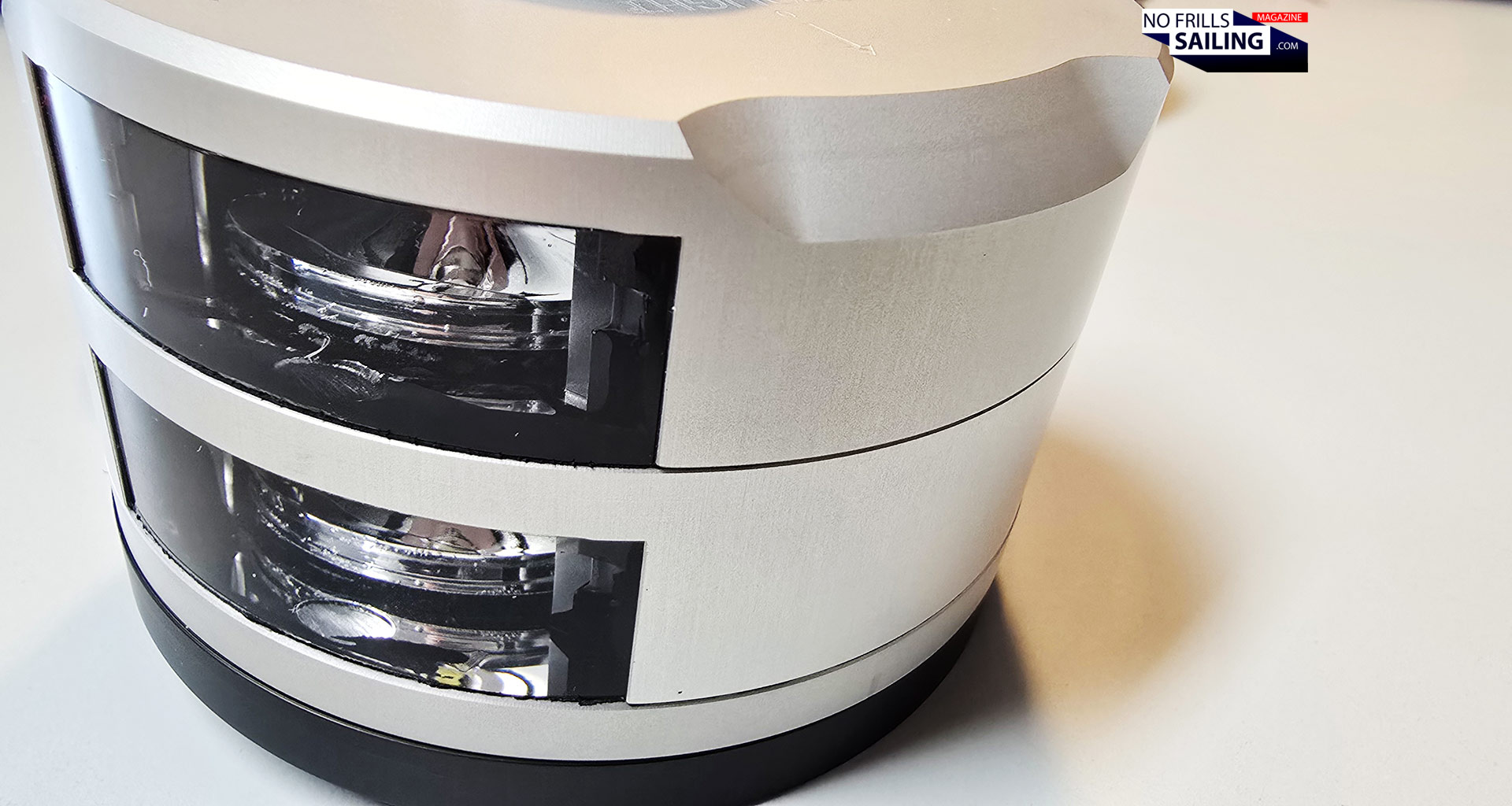
Lopolight housings are made of thick, but still lightweight anodized aluminum. These are completely sealed and withstand corrosion for the completeness of their lifetime. The inside, though I haven´t seen it as I didn´t wanted to take the lamps apart, is mounted shock-proof and vibration-safe. If you think about it, it becomes clear that a tricolor mounted on the mast top of a sailing yacht just needs to be as tough as anything! Extreme UV-exposure with no shadow at all – ever! Always moving, always prone to all sorts of weather effects.
Yet at the same time, it needs to be working reliably each and every night! I mean, we never really think about this, don´t we, but when we push the button or set the switch at the panel, we just expect the lights to fire up – and keep on burning for the whole night. For years. Sometimes, for decades. When I spoke about fellow sailing friends about this topic, not a few mentioned that they never ever wasted a thought on their position lights as they “are just there … always working.” And because I want to save money on my new boat where I can, but spend it where it makes sense, I went on and bought from Lopolight.
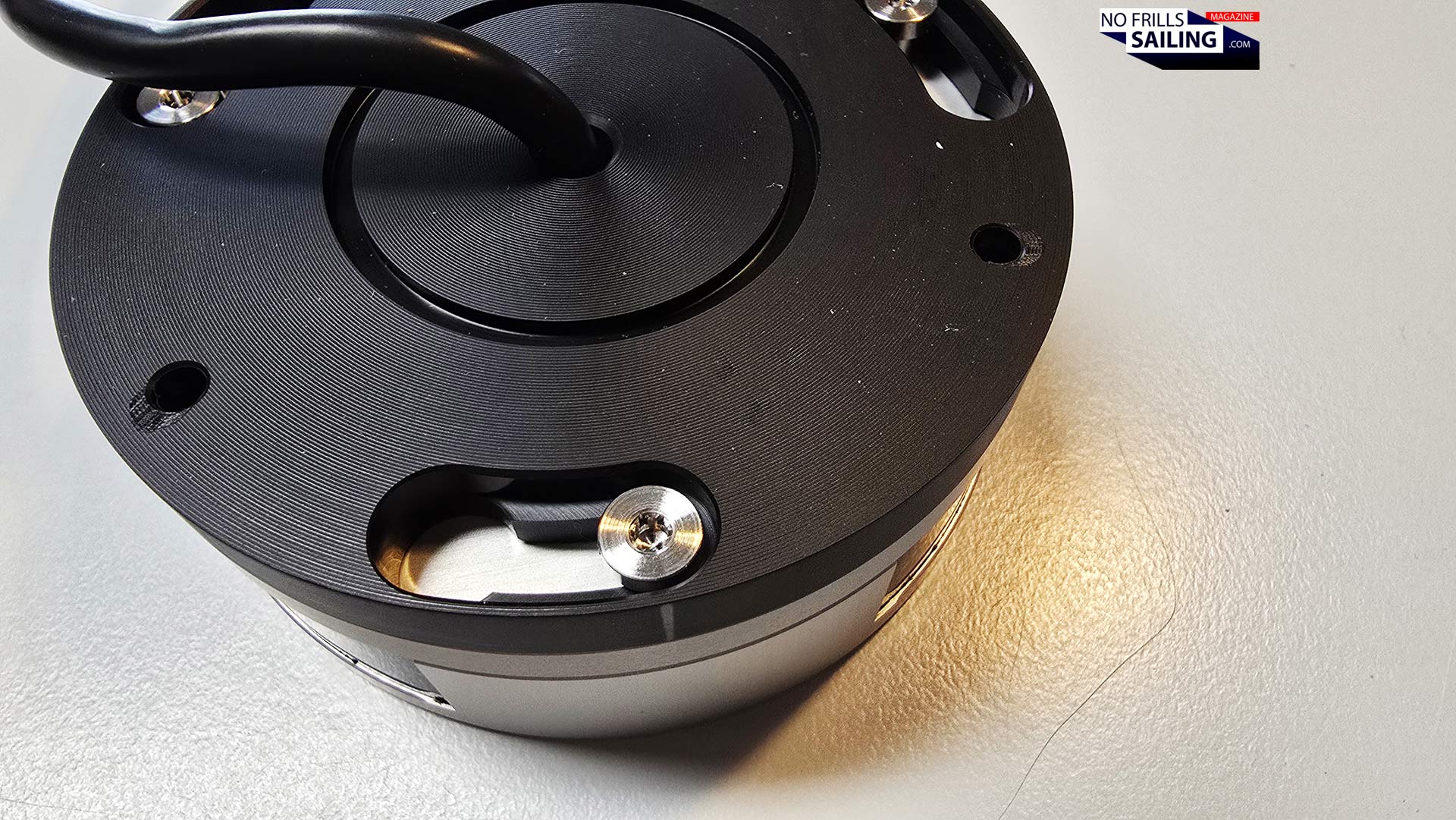
Which indeed is a decision that comes with a hefty price-tag! Just for comparison: A Lopolight tricolor for under 12 meters is around 600 Euros (incl. VAT), the one I needed to go for is just under 1.000 Euros. That means that the budget needed to buy the bi- and tricolor from Lopolight was about 1.700 Euros in total. You could save up to 80 percent of this sum if you´d go for cheaper stuff. Hella Marine´s tricolor clocks it at 300-400 Euros, still a budget, but more than half of that for the Danish lights. But must these all adhere to current regulations anyway? Yes, they have to!
Position lights and colreg conformity
These regulations are the “Colregs”, collision prevention rules. First of all, position lights have to be bought according to the length of your boat. For vessels over 12 meters (but under 20 meters in length), their visibility needs to be 2 nautical miles for the tricolor, 3 miles for the white. My boat is over 12 meters in length, I needed to buy slightly more expensive products. Some of my fellow friends indicated that they had mounted the “smaller” tier lights, for budgetary reasons, and that they never expect to be checked by authorities in that matter. But not for me … I will stay in the legal area.
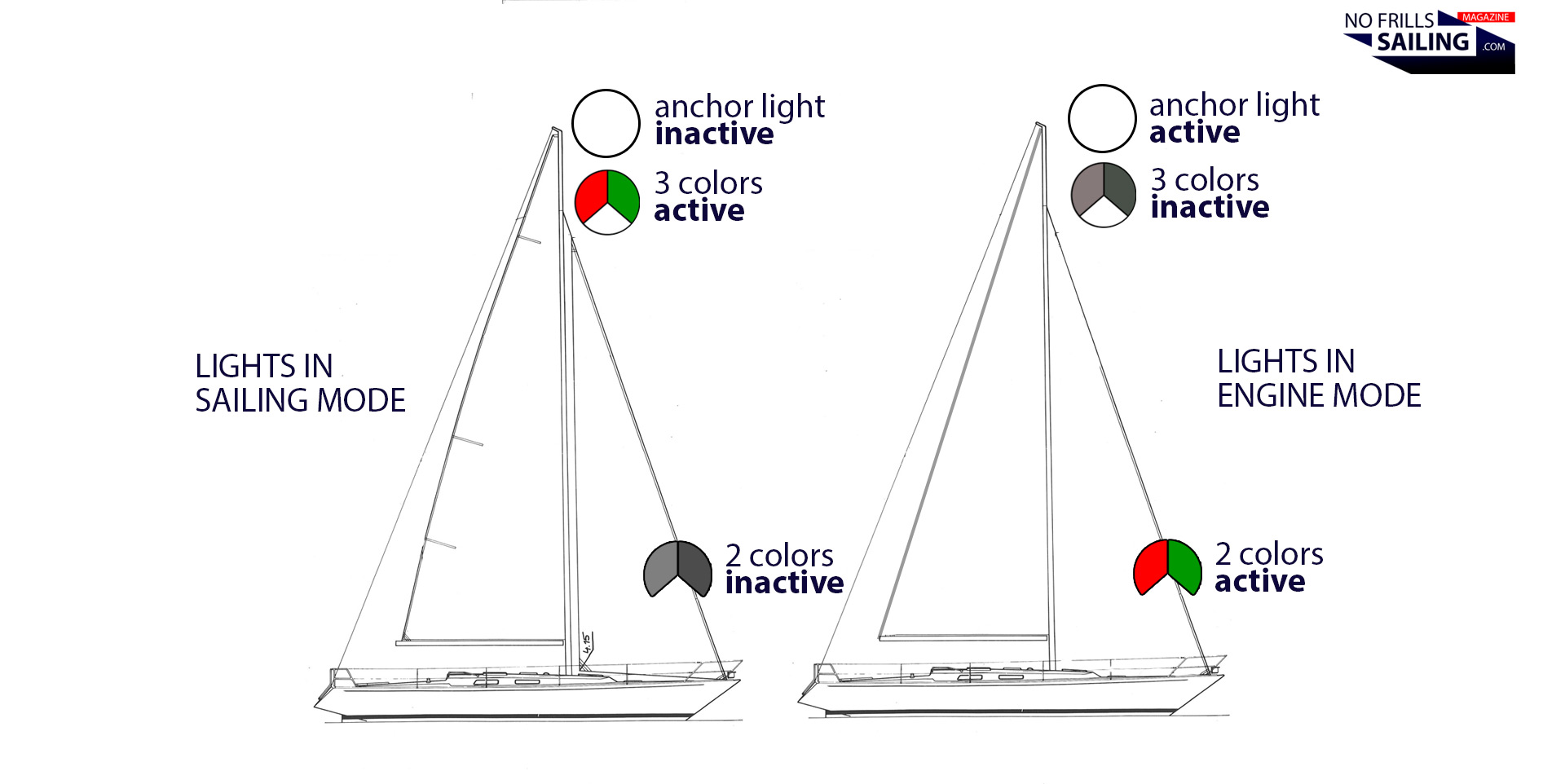
Why did I buy a three color nav-light and one two-color nav-light? That´s pretty easy to explain: I wanted to reduce mounting efforts as much as I could. So no dedicated “engine light”, the white light for the aft-sector. Instead, I will copy the Beneteau-method. Take a look at the above picture. When sailing, the 3-colors will be active in the mast top. That´s it. When steaming under engine, there will be the anchor light in the mast top acting as “engine light”, and the bicolor mounted in the bow will be active. This is why I needed just two lights – but I can illuminate my yacht completely colreg-compliant.
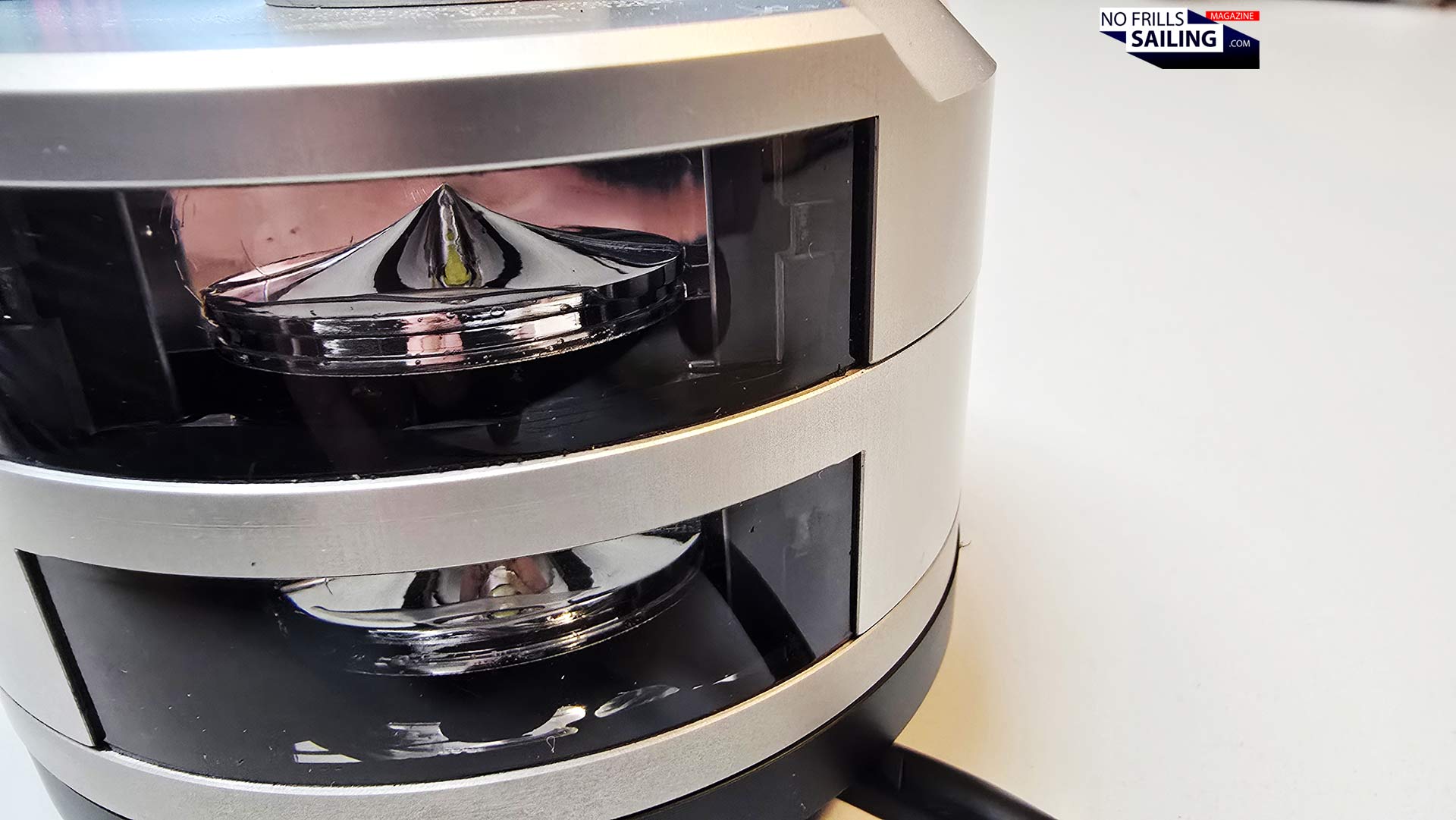
This is why the 3-colors-navlight has indeed four, if you will: The usual red-green-white lights for the 12ß sectors around the boat. And on top of it is the 360-degrees anchor light, which is a bright white. This is switched on alone when at anchor and will also be active together with the 2-colors when the Diesel engine is working at night. I discovered this method when we started to commission and deliver the then-new Oceanis 30.1 a few years ago and I appreciate this system for its clarity.
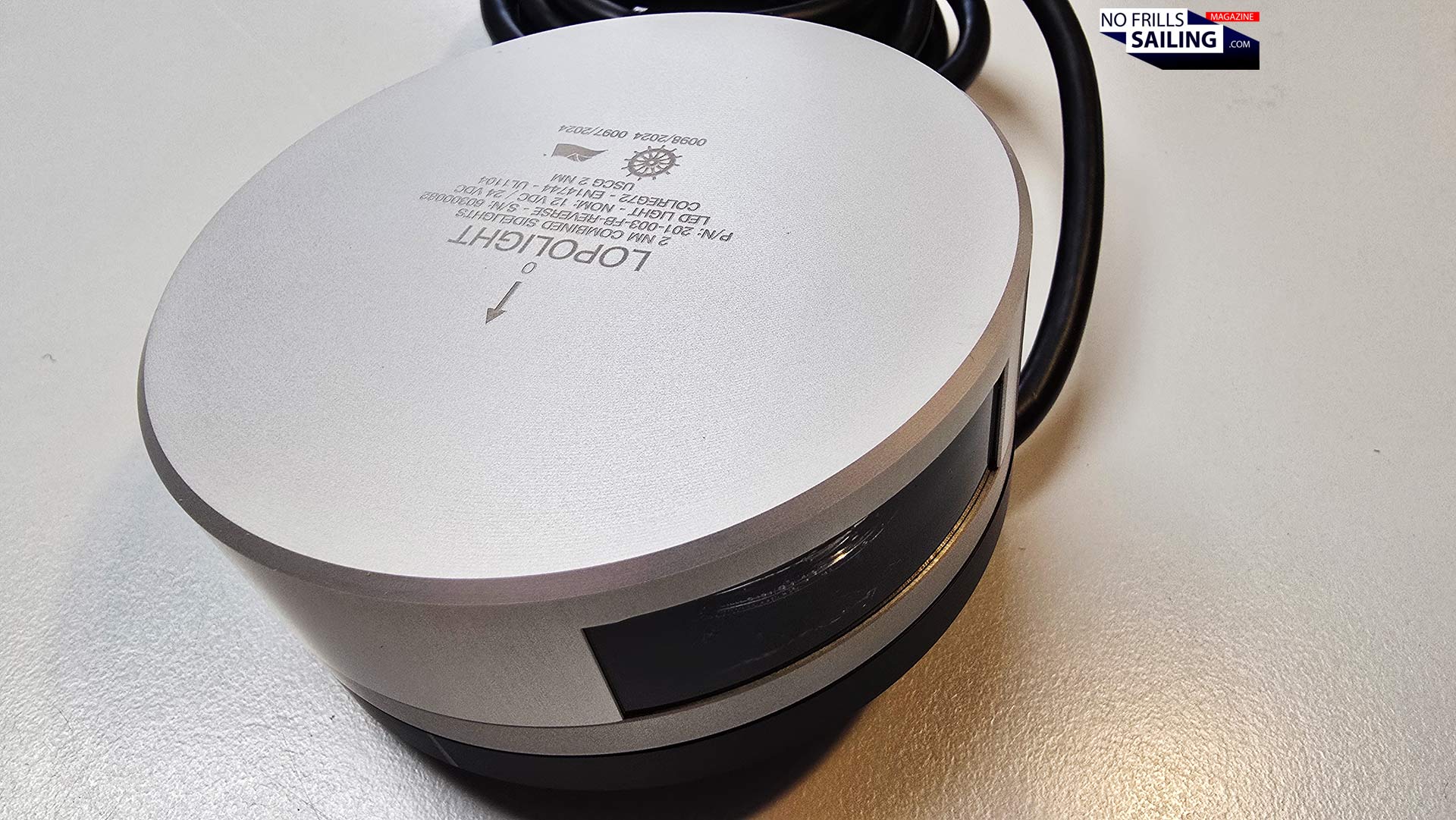
Both products have a very heavy feel to them. Weighing them in my hands, I can feel the heavy materials used. Looking at the details, like the stainless steel screws, how the cable is fixed and the housing feels, it reminds me of watches: You can really feel and tell apart cheap stuff from significant quality. But is it really worth the spending?
A very deciding detail!
As any position lights on the markets, Lopolight as well as the cheapest contestant need to adhere to the colreg-rules as well the different certifications like USCG, IMO or DNV. As I mentioned before, I want the peace of mind that these, once mounted, will go on working for as many as 50.000 hours, regarding the LEDs inside. I also think they look absolutely sick – you know that I have a special weakness for nicely designed products. But there´s also the safety aspect. Thinking back to an almost-collision a few years ago, this incident and some others, like sailing in complete mist with very low visibility, has made me especially receptive for things like this.
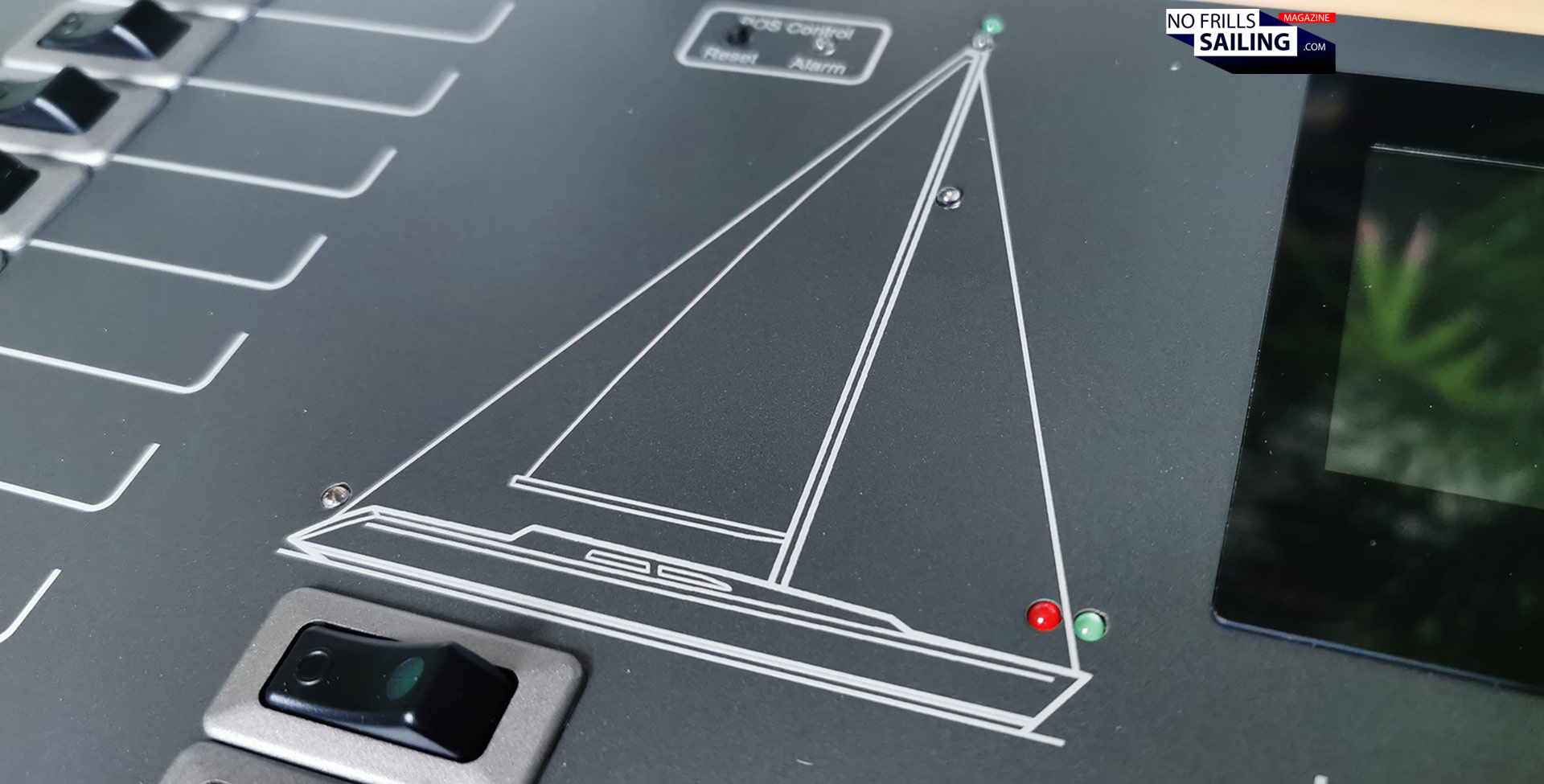
So, I hope this article inspires you to think about your sailboat and its visibility at night. As a matter of fact, next Christmas is only 357 days away. More than enough time to acquire the hefty budget needed for the good Danish stuff … For the time being, these are some more parts delivered for my boat and I just can´t wait to switch those on for the first time at the main panel from the boat´s cabin!
Familiar articles:
New LED-lights for my (old) boat
Why a proper searchlight is paramount for each sailor
Collision prevention – last minute maneuver!