
Marlene Brudek is one of the few female skippers I know. Back in the day when I still used to sail with GEKKO, we´ve had some frequent contact, because Marlene´s HEARTBEAT also used to be a First 27 SE by Beneteau/Seascape. I´ve got to know this woman as being a very determined and powerful skipper, but also as a very kind and toned-down person. Relaxed, accessible and very, very kind. A nix mixture, don´t you agree? Marlene is currently crossing the Atlantic Ocean as part of the ARC – in the smallest boat attending. I´ve caught her by Starlink and we´ve talked about her new boat, the trip and her aspirations.
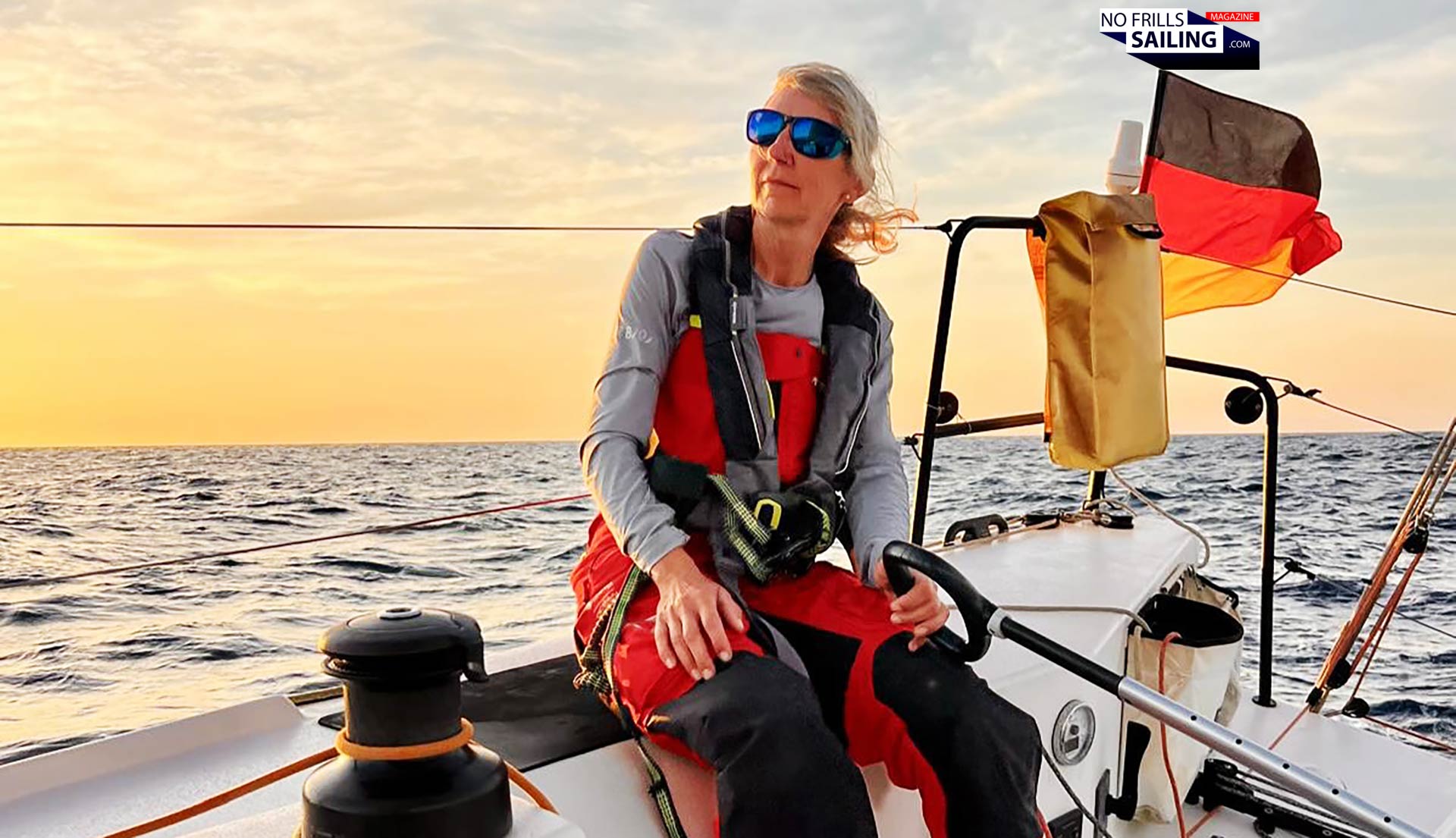
To start with, you may have read my interview with her about her fantastic journey as part of the Midsummer Sail race, the Baltic Sea´s longest and toughest regatta from it´s southernmost point (the City of Wismar) to is northernmost, which is the Thöre buoy. I can say that it was mostly Marlene´s inspiration that made me inscribe myself for next year´s edition of the Midsummer Sail with my then brand new boat. “Brand new boat” is a nice keyword – Marlene has one too.
“I just need a planning whip, you know it!”
She says that right after finishing the Midsummer Sail race she knew that it was time to come up with a new boat, substituting her fine First 27 SE: Which were the must-haves and requirements your new boat would have to fulfill? “Well, first of all I needed to have a planning whip, that´s for sure!” She smiles: One time hooked to planning, you´ll never get off of it. I know what she´s talking about … “Secondly, she should be certified CE category A, which is unrestricted oceanic travel as I´d have some plans, you know?” As a keen racer, her boat needed to be designed to fit single- and doublehanded racing requirements as well: Marlene is a racer.
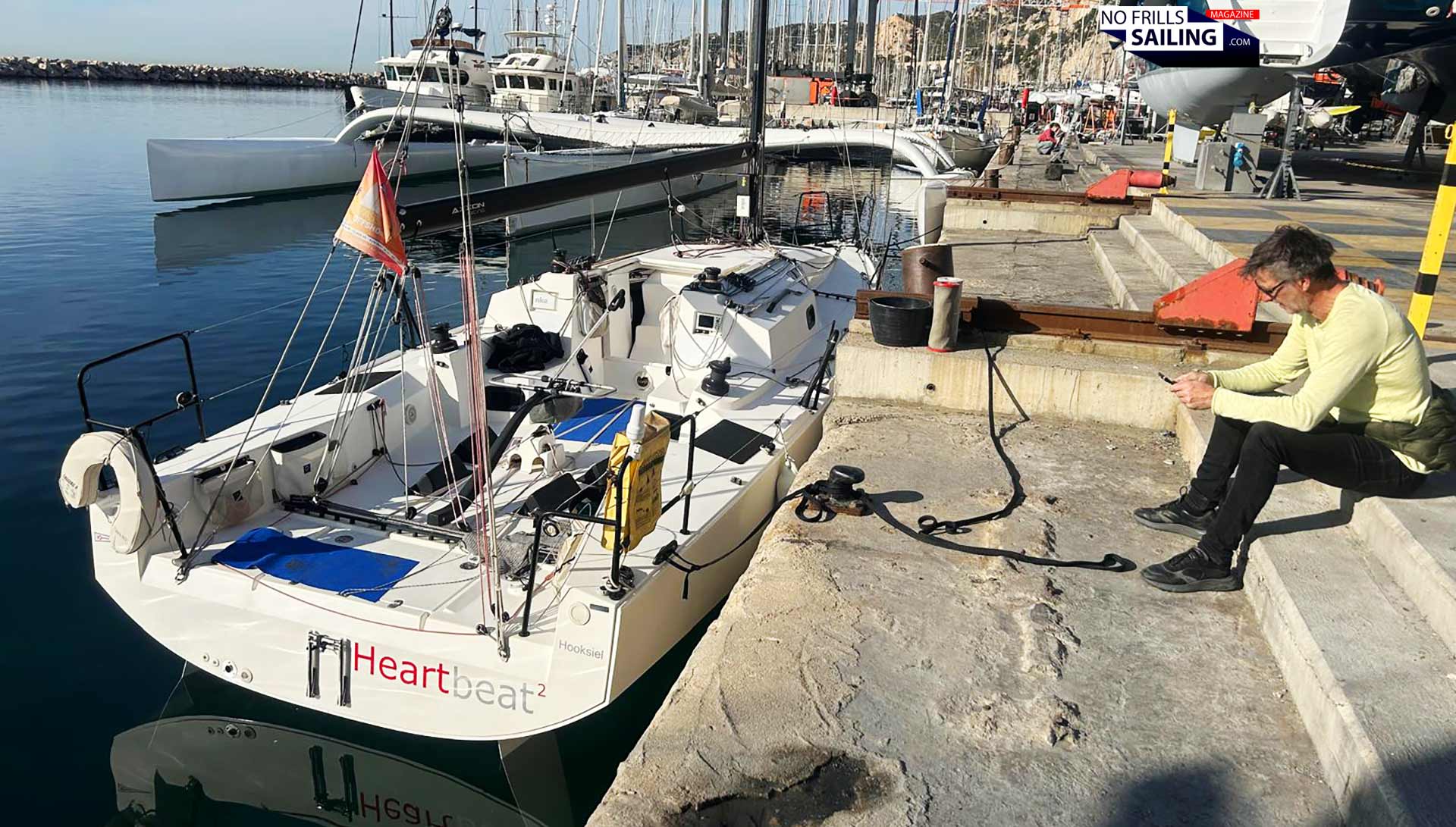
“That´s pretty easy, you know: A wide, open transom, double rudders of course – preferably hinged for folding up – a single tiller, which was very important for me and of course a fair amount of sail area.” A carbon rigging with retractable bow sprit, she says, would have been nice, as well as – finally and at last! – full upright standing height in the saloon, a proper chart table with seat and workstation, a little galley and – if this isn´t enough to ask for – an easy to operate water ballast system. “Last not least, her draft must not exceed two meters, as you know, I am based at the North Sea with loads low tide …” Which brings us to an optional swing keel. Quite a list, right?

„Well, it doesn´t stop there”, she says and smiles: “My new boat should not be older than 3, maybe 4 years. If she would be race-ready and of course in a decent condition, this would also help. Full set of onboard-electronics, of which I´d prefer NKE, would also be nice … and finally, a low freeboard.” Well, it sounds like quite a list to submit to Santa Clause, I tell her, and she agrees. The search for this perfect new boat wasn´t easy: As a woman, she also looked for the best compromise between large sail area and lowest possible weight, as she would have to carry around the heavy sail bags – which also needed to fit into her van. So at first, as she tells me, she took a look at the new boat market: A most exciting but pretty soon sobering experience …
“New boats don´t seem to have the quality I was looking for.”
Her new yacht, HEARTBEAT 2, is a used boat. Marlene tells me that she switched from new boats to looking at used yachts exclusively pretty soon in the project. Of course I can see the main point: The budget. Current boat prices are way up through the roof, after Covid, inflation and ongoing high prices for raw material and most of all high energy and labor costs. But there´s more. “Many of the brand new boats are just not made like it used to be in the past – quality wise”, she says.

“I mean, I just don´t want to work myself through endless lists of defects and engage in bids and fights with shipyards or boat dealers about warranty issues. This is taking up so much time nowadays and really cuts the fun.” She also emphasized that it is a question of sustainability to prolong the life of an already produced boat. “And lastly, new boats which really fitted my wish list, apart from the price and for some the long waiting times to get one, were all way out of my draft restriction.” Marlene did look at the new Pogo RC, the current fleet of Class 40, the Figaro 3 and the new JPK 10.50. “No options, sadly”, she says.
As for the used boats, there were some she visited and tried, like a JPK 10.30, the Sunfast 3300, the more classic J/99 and the Pogo 36 for her lifting keel. “In the SunFast I couldn´t really come to like the very thick bow section. The boat also had some serious production defects or faults. I didn´t quite like the interior layout and the manufacturing quality. Some people who sail her told me about issues with the water ballast system, so I phased her out.” Same for the J/99, which, as she tells me, was manufacturing-wise much better, but her cockpit design, especially the mainsheet traveler, didn´t quite lived up to her needs. “When sailing, I really disliked the high amount of pressure on the helm, which for most offers was a single rudder configuration anyways.” So, no J for Marlene as well.
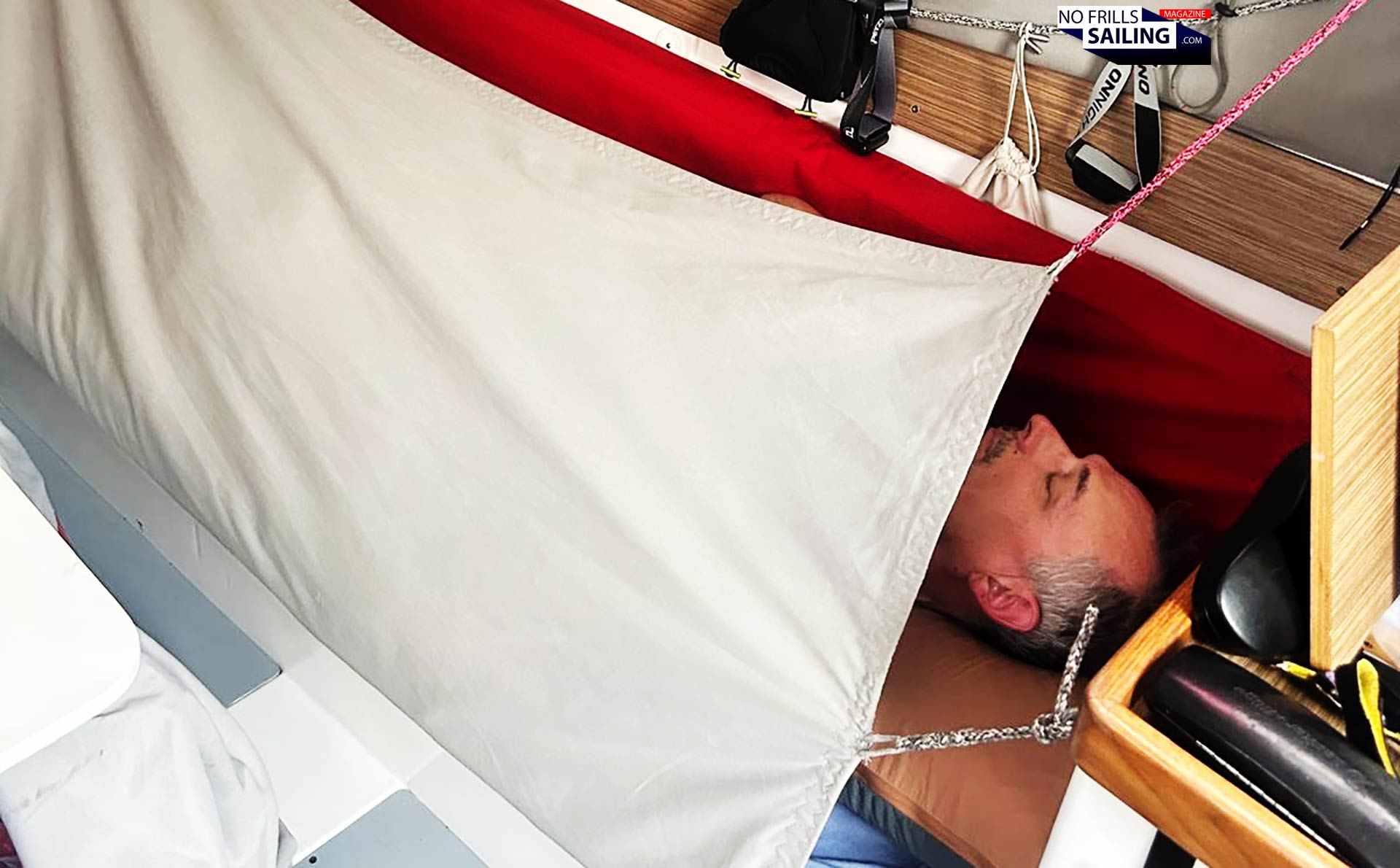
As for the Pogo 36, she took quite some time to familiarize herself with the boat. Apparenty, the big pro was her lifting keel – a paramount precondition for sailing in her home waters. Nevertheless, the Briton didn´t make it as well: “The cockpit layout wasn´t quite suiting my taste, especially how the winches are distributed”, she tells me. “And, honestly, even the Pogo appeared to carry around far too much weight in form of furniture – I want to race, sail fast, not enjoy the cruising amenities.” So, what now?
It´s a used JPK – best bang for the money!
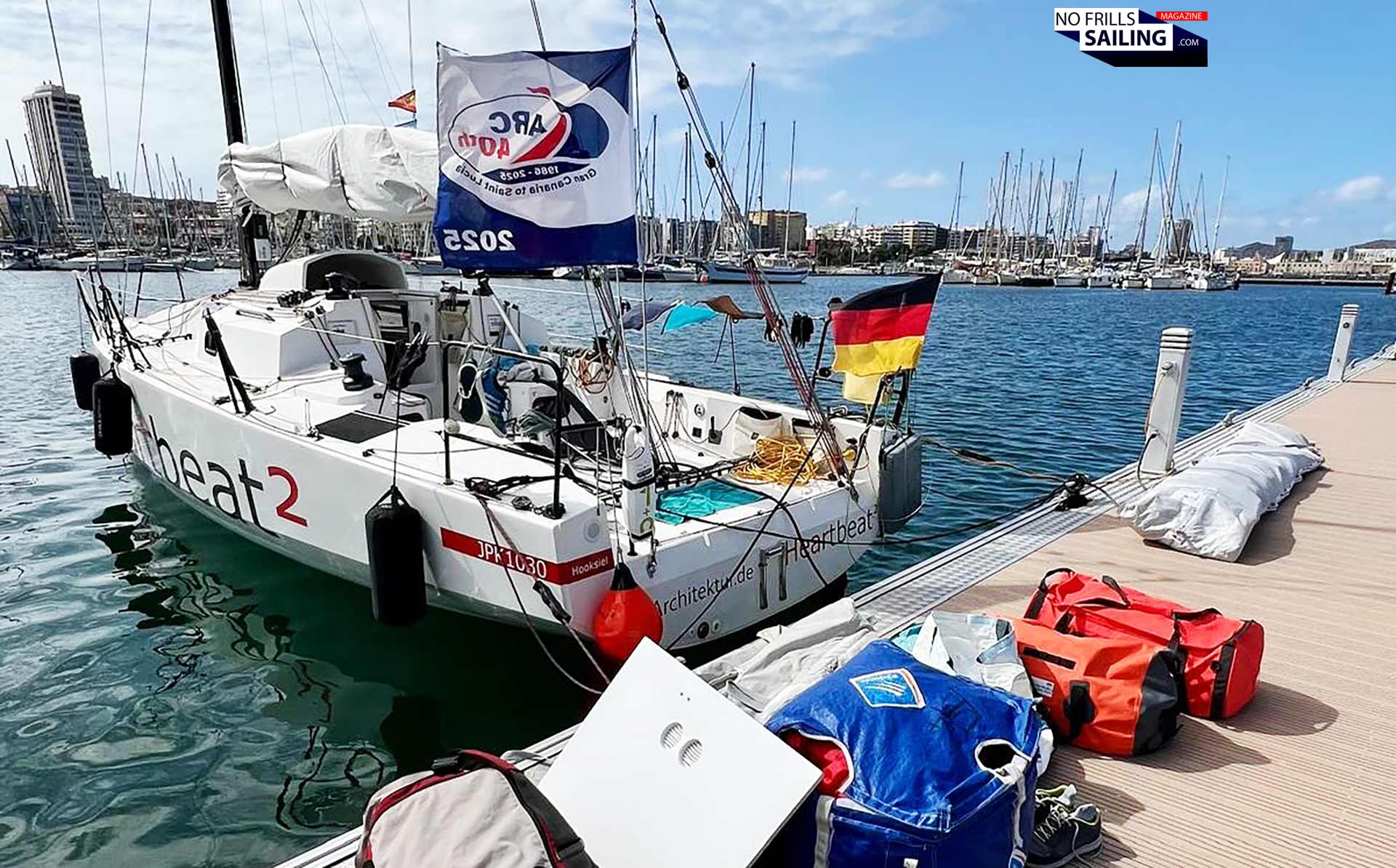
In the end, Marlene is now sailing quite quickly across the Atlantic Ocean aboard a used JPK 10.30, she re-christened her HEARTBEAT 2: “I am really happy having found this offer! JPK makes boats that last, the building quality lives up to its reputation. I really like cockpit layout as it suits my needs. Keel, rudder and hull shape are absolutely fine!” Marlene also points out that the not-fitting of any “beautiful” furniture culminates here in the least possible lightest interior she had seen, especially the two facing body contoured seats are just perfect!
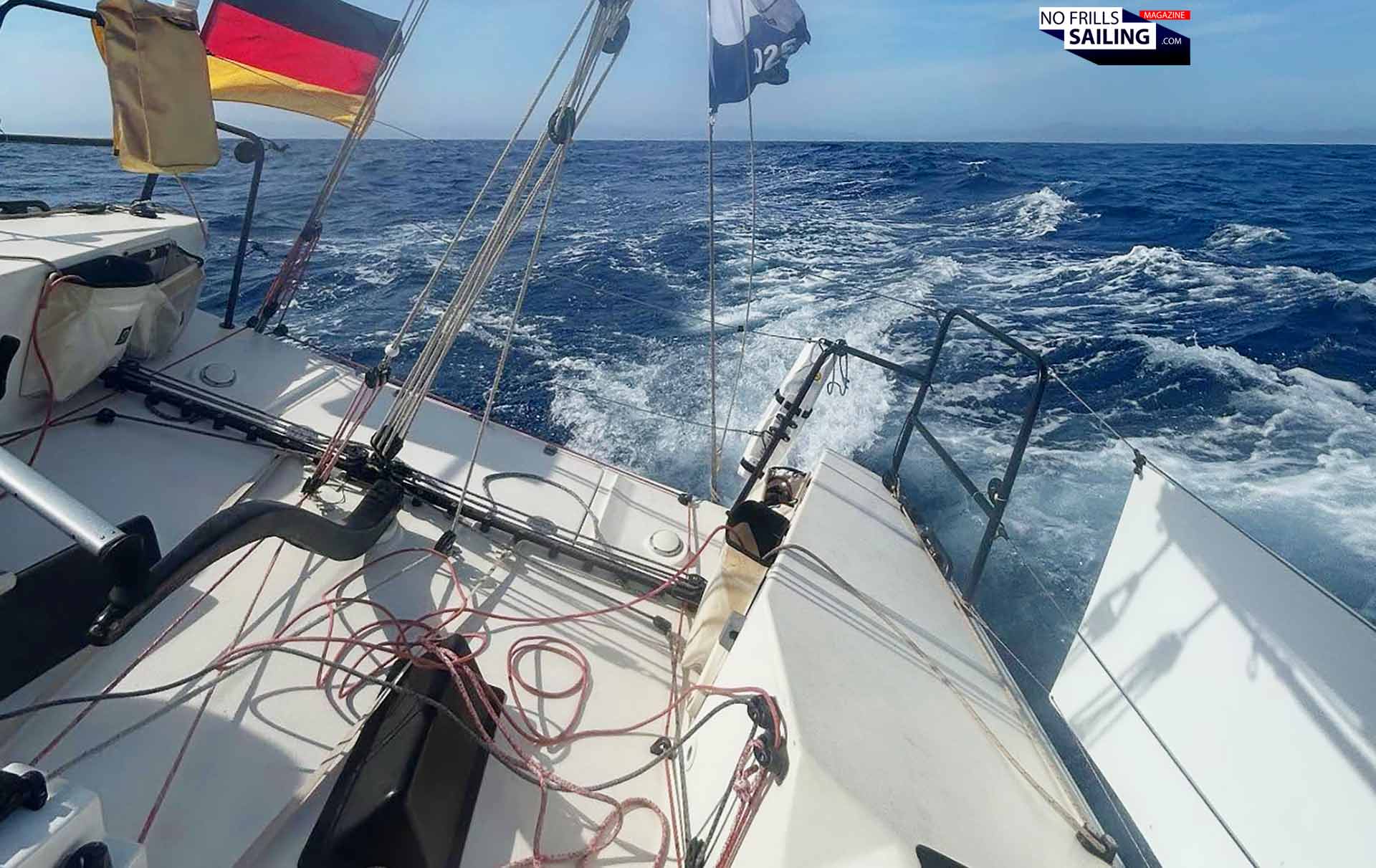
„I was very lucky. The boat hasn´t been sailed or raced excessively, so the structural things are just fine. The building quality of this yacht is amazing! Also, the previous owner fitted quite a perfect setup of electronic and technical equipment, which helps of course.” Only thing she will have to go for in the future is a retractable bow sprit, which is even pre-arranged within the mould of the hull. And where´s HEARTBEAT, her First 27 SE? “ As of now, she confesses with a bit of a sheepish face, she is mothballed in the winter storage hall. Her little fighter is optimized and tuned up to the tiniest detail: A racing machine! “I just couldn´t get myself to sell her …”, Marlene confesses, and I fully understand why this is so hard. But after returning from her ARC adventure, she will eventually have to sell her.
Checking out what the Caribbean has to offer
Right now, as we speak, Marlene and HEARTBEAT 2 finds herself placed roughly in the middle of the ARC pack, having traversed literally half of the distance to Saint Lucia. She is placed 41st of all 144 participating (and much, much bigger) boats, 6th of all racing teams. Not bad. I ask her why she didn´t just sail single handedly by her own, because as for the ARC rules, sailing alone is forbidden, so she had to take on some crew as well: “You know, I find it much more exciting when I am sailing in a competitive situation.”
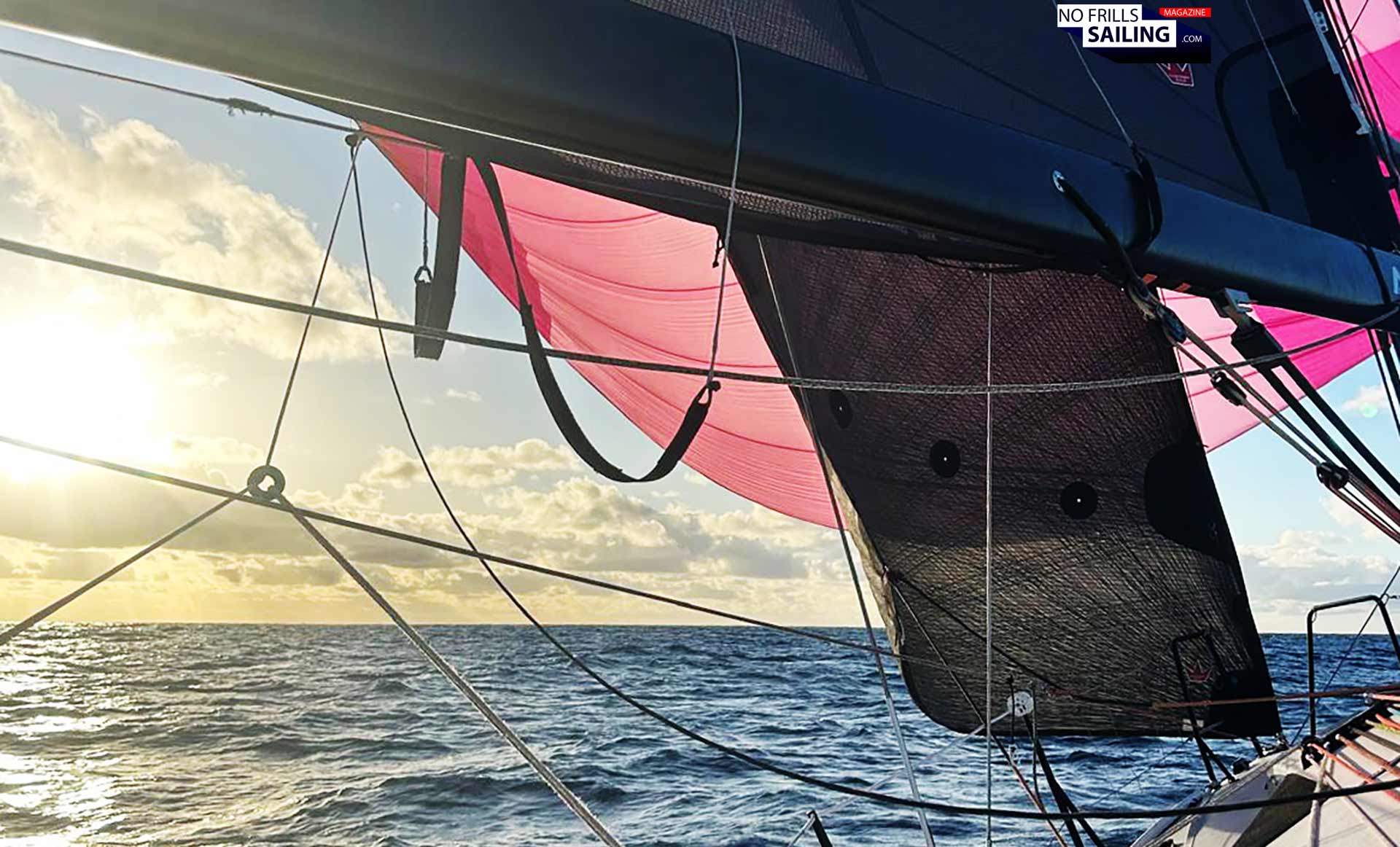
“I really love to check for the surrounding contenders, look out for their trackers and sail in race-mode. It´s just so much more fun!” She tells me that she always compares HEARTBEAT´s performance with the other contestants and tries to squeeze out just this tiny bit more of performance to get better and better. “This motivates me so much more, than just sail around alone.”
Plans for the future …
Apart from this, participating at the RORC, was no option: “There only the big yachts are sailing. It would be just ridiculous to compete, because I fear that the skippers of the other boats have already checked out and departed home when I´d arrive …” She smiles. The best race for her boat, she assumes, would be the Transquadra: “But the next edition is in 2027, so …”

Marlene plans to stay in the Caribbean until April or May next year. “Let´s see what this area has to offer”, she tells me. She wants to sail here, visit the islands, invite family and friends to join her. “Maybe the Caribbean 600 is a race I´ll attend, I don´t know yet. Also, Antigua Racing Week seems like a nice little adventure.” When this has been done, her way back will be the classic route: “First leg to the Azores, than Canary Islands and into the Med. Or back home to Germany. I don´t know yet.”, she says and hunches her shoulders: It doesn´t matter. Now that there are still some 1.400 nautical miles to go until she finishes her first Atlantic crossing.
Fair winds, Marlene, thanks for taking your time for this little Starlink-chat and may you and HEARTBEAT 2 enjoy some nice following seas.
Pictures © with kind permission of Marlene Brudek
You might as well like to read these related articles:
Planning my own Atlantic Loop with a First 27 SE and cancelling it
First time crossing the Atlantic Ocean