
As time, not money, has become the most sought-after resource, many sailors living at inshore sailing areas seek a boat that is specifically designed to save as much of this scarcity. “Rediscovering the Joy of Sailing” is the working motto that guides Juan-Pablo Gomez Lamarque and Javier-Soto Acebal in the development of a new high-performance daysailers: The DS-27. It´s fascinating to see their determination, level of professionalism and clarity. This article is a first interview with the father of this project.
I think it is suffice to assume that every single naval architect, designer and project manager working on a new boat or yacht wants to achieve the best possible outcome for it. Utilizing the specific goals as set in the different design briefs, they try to strike just the right balance for their boats: Be it performance and comfort, be it volume and sailing fun or be it quality and budget. It´s a dance on a razor´s edge, which for sure is all the more valid the bigger the company becomes behind it. It seems that smaller projects or smaller entities behind boat designs have a more free reign over their decisions. Juan-Pablo Gomez Lamarque and his DS-27 project definitely sits at the more “extreme” (in a very positive sense) end of the range. I followed his ambitious project from the start and was happy to catch him the other day to bring it all “down on paper” for a first article. This story is exemplary for me what it means to be bold, visionary and just do what you have to do.
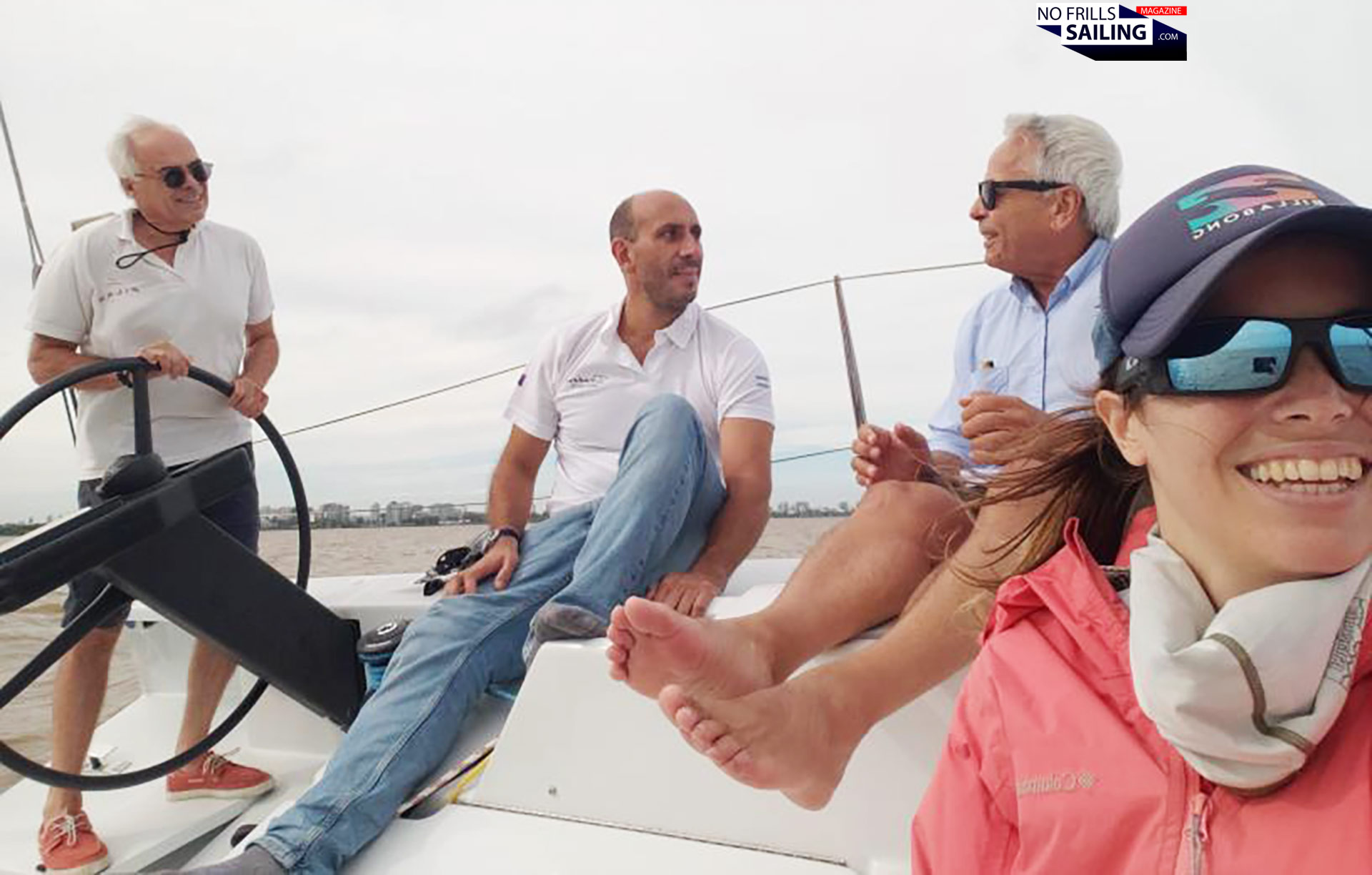
NO FRILLS SAILING.com | Lars Reisberg: “Juan-Pablo, help me out please because it seems I am getting a bit old by now – how and when did we meet for the first time? How did we connect in the first place? I forgot …”
Juan-Pablo: laughs “It was Javier Soto Acebal who actually pointed me your way, for real. I was looking for someone who could give me an honest, unvarnished opinion on what was, at the time, a fairly crazy idea: Designing and developing a sailboat in Argentina specifically for the European lake market. What makes the timing interesting is that when we first started exchanging ideas, most of what you see sailing today, like the Cape 26, Kiss 25, Lago 26 Speedster, Woy 26, and the Saffier 28 hadn’t even been announced yet. The market looked very different from where it sits now. And I hope you do indeed remember when ww both finally met in person at Boot Duesseldorf, and since then, the project has evolved considerably.”
How the DS-27 came into existence

NO FRILLS SAILING.com | Lars Reisberg: “Oh, I didn´t knew that Javier is behind all of this. That is even more exciting! So, you started the DS-27 project. Tell us why you had the idea to design and build your own boat? Did the available range of small daysailers not live up to your wishes?”
Juan-Pablo: “No, it wasn’t born out of frustration with existing boats. It started with a more honest question: What does sailing actually look like for someone with a real, busy life? Not sailing in theory, but sailing in practice. If you only have a few precious hours on a Saturday afternoon, you want those hours to be spent genuinely sailing. Not preparing, rigging, or managing complex logistics. We keep coming back to a guiding phrase: “Rediscover the Joy of Sailing”. We mean it quite specifically! Time has become the scarcest resource for most sailors we know. The question wasn’t just “what is a nice fast boat?” but “what does the entire experience look like, from the moment you arrive at the marina to the moment you are back at the dock, and can every part of that be designed to be better?”
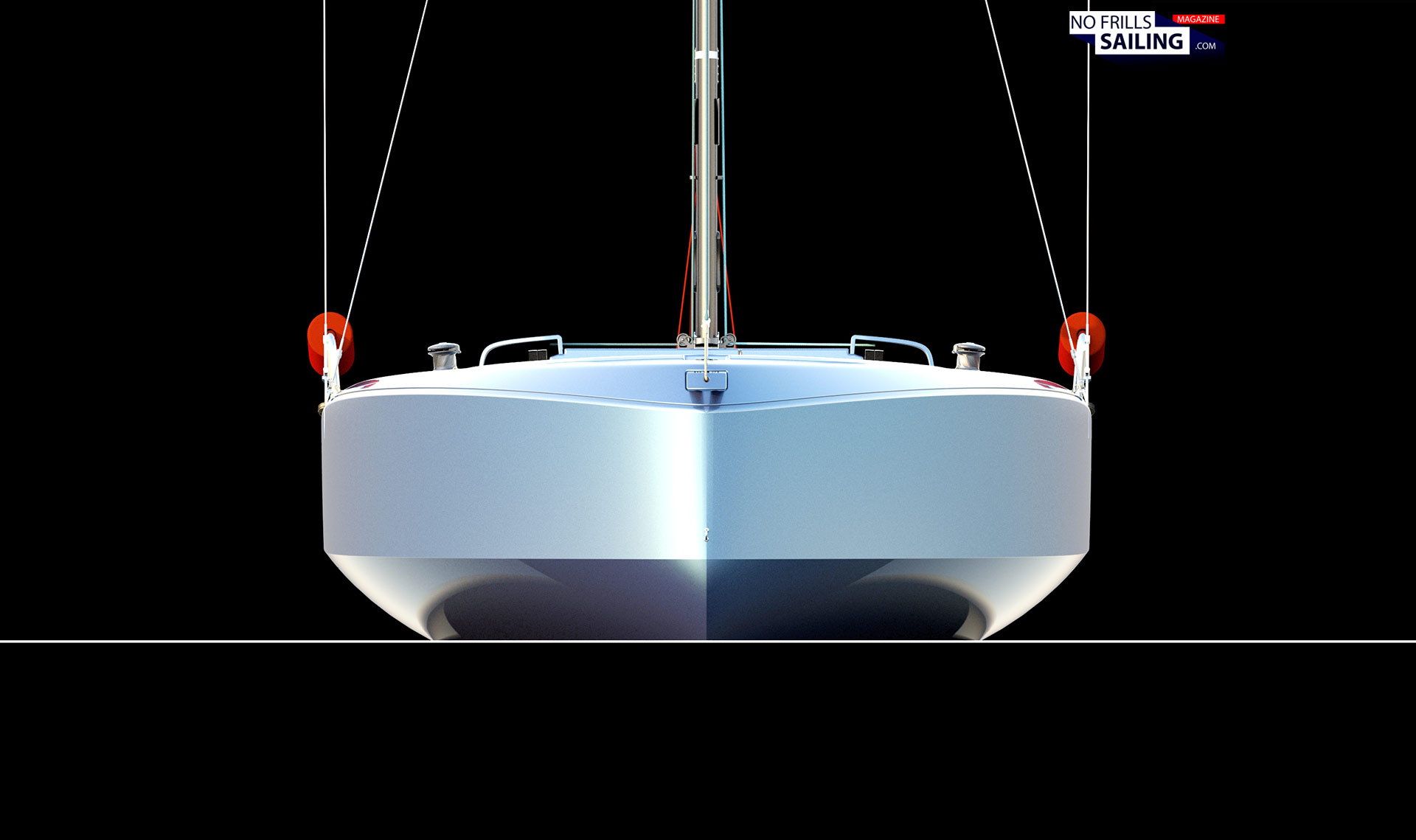
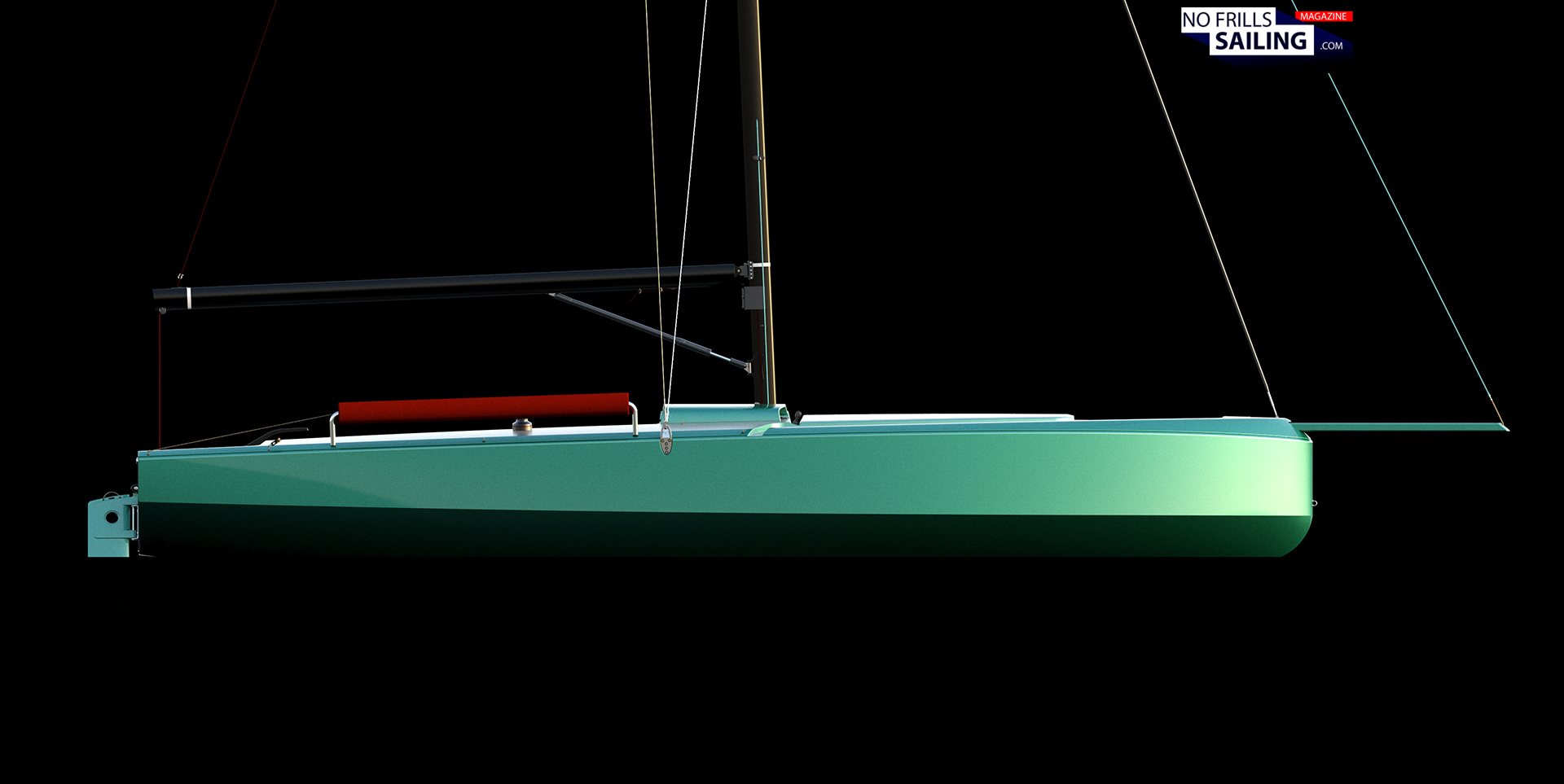
Juan-Pablo: “The further we’ve gone into the research, the more we’ve found that this question resonates well beyond European lakes. The North American market is wrestling with exactly the same challenge. And it was exactly that framing which brought us to Javier. He doesn’t just draw boats. He designs what it feels like to sail them. Clean decks, fast and predictable hulls, and absolutely nothing that is there by accident. We wanted that level of rigor applied to a 27-footer built specifically for this kind of sailing, and we decided early on to think it through properly, without rushing it to market.”
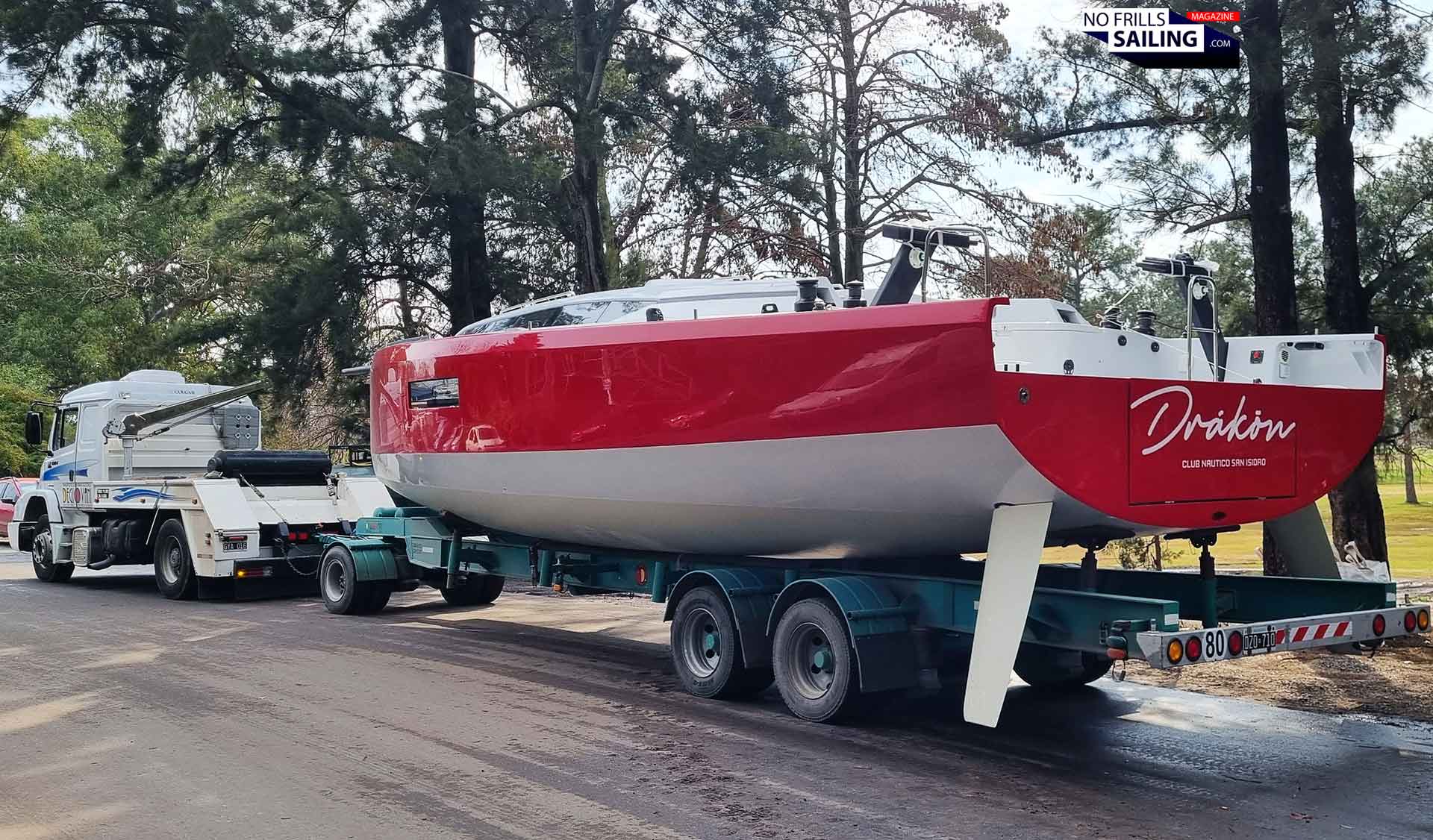
NO FRILLS SAILING.com | Lars Reisberg: “You already own and sail a Javier Soto-Acebal designed sailboat: Tell me a bit more about this yacht and your connection with Javier.”
Juan-Pablo: “With pleasure! I own a custom 38-foot sloop, DRAKON, which was the very first swing-keel boat Javier ever designed. It all started during the Covid lockdown, with a long, reflective exchange of emails and ideas that gradually turned into a proper project. We built her at M-Boats, the shipyard responsible for constructing a significant portion of Javier’s portfolio. Going through a full custom build from the inside, as you know well from your own Omega 42 very well by now, is genuinely life-changing. You get to know true artisans: People who are world-class at what they do and who care deeply about the craft. That experience entirely shapes how you think about everything that comes after. There is a quality to Javier’s designs that is hard to articulate until you are at the helm. A fundamental honesty to the hull. The boat does exactly what the wind asks of her, without fighting you.”
Juan-Pablo: “What is also important to understand about his track record is that it isn’t just about design awards. He has designed boats competing at the absolute peak of offshore and IRC racing and has been responsible for some of the most technically demanding custom projects in the Southern Hemisphere. When you work with Javier, you get a designer who understands performance from the inside out, because he has lived it. I should also mention that I travel to Europe regularly for work and have family in Switzerland, so I have always felt a strong pull toward those alpine lakes. That personal connection is what made this specific brief feel so natural.”
The design brief for the DS-27
NO FRILLS SAILING.com | Lars Reisberg: “I understand, JP. Because of your previous experience with Javier, you asked him to draw up a boat to your specifications? Tell me more about the initial briefing you gave him and how he responded, maybe what he changed from your initial ideas.”
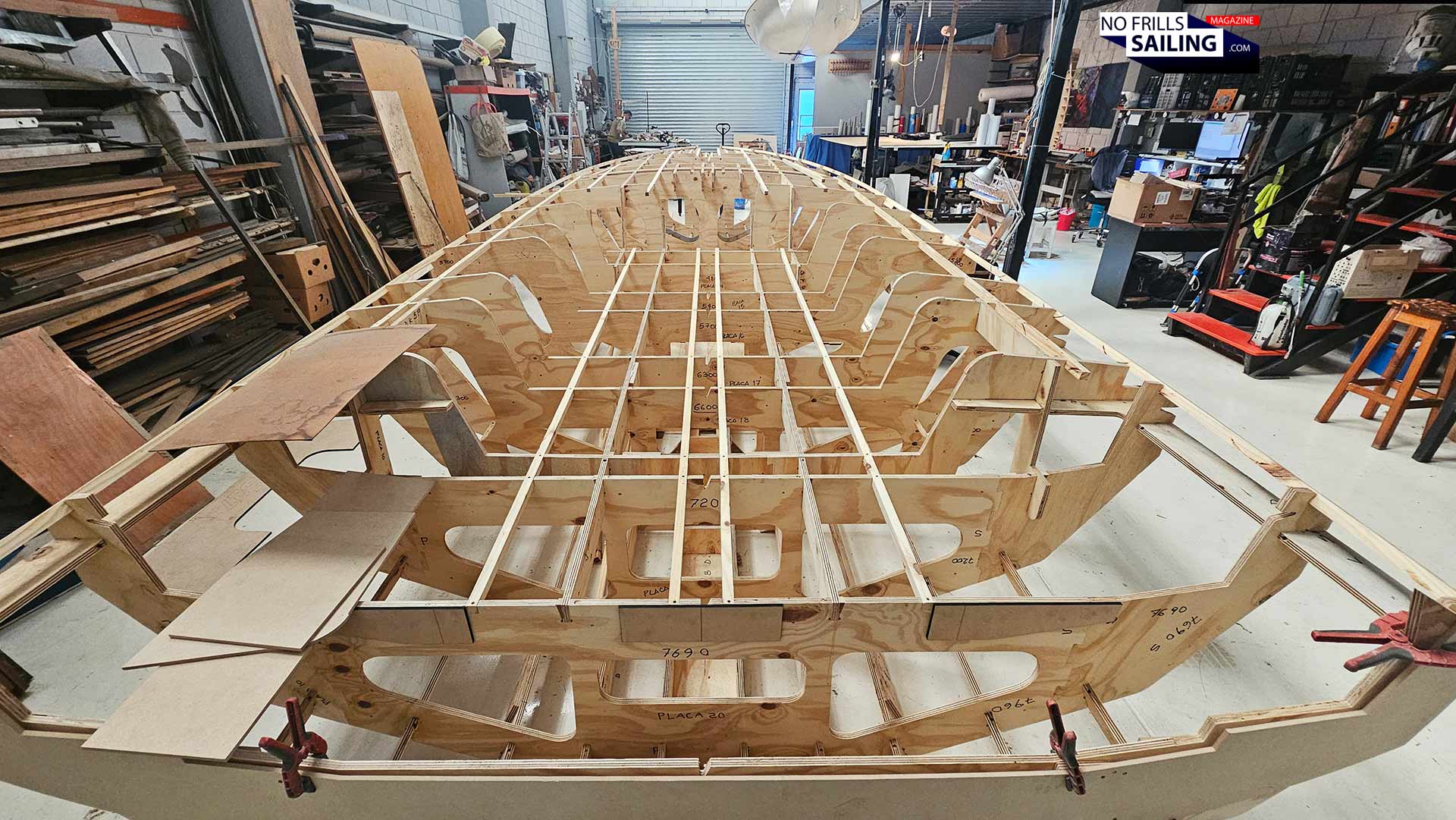
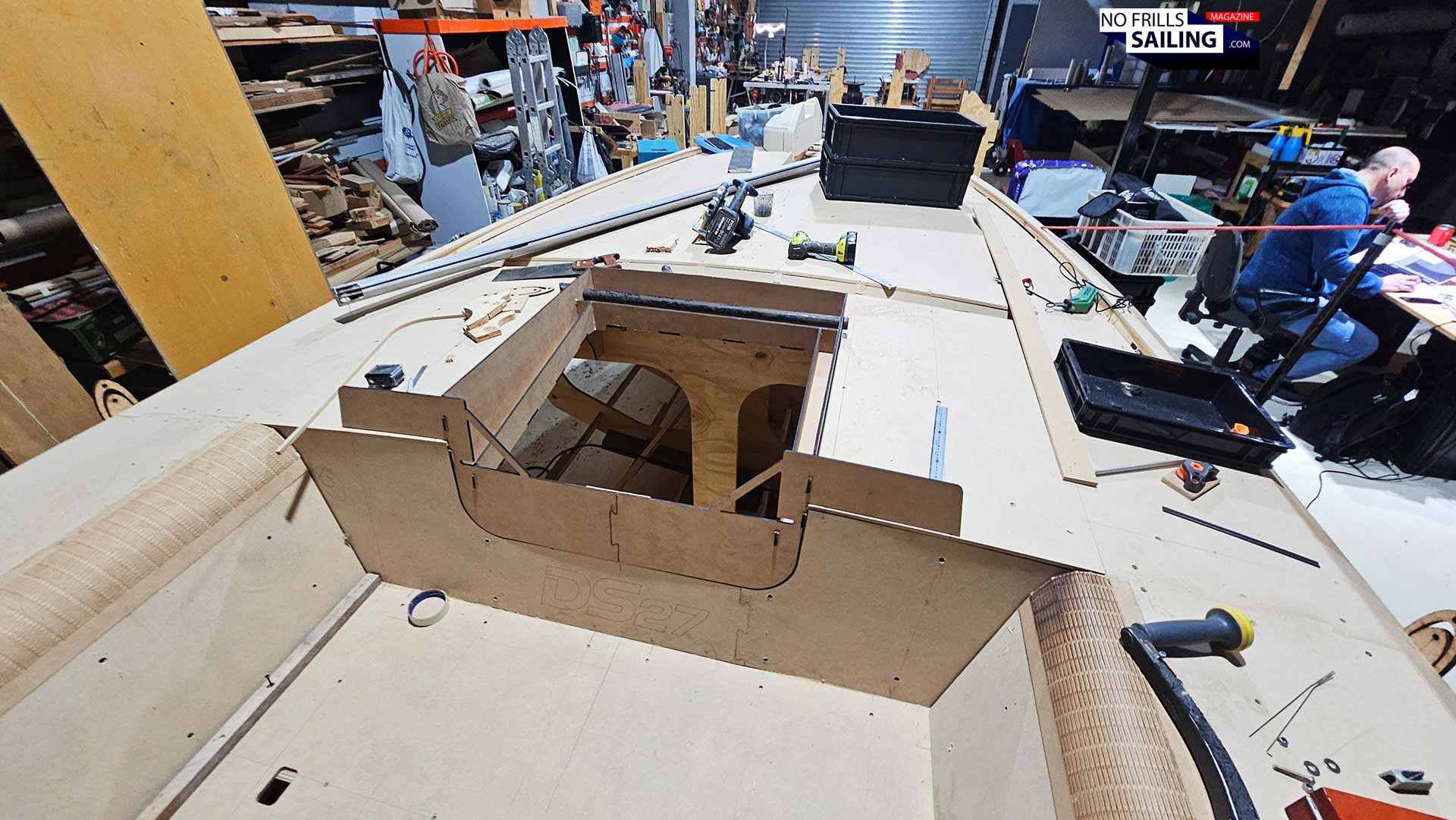
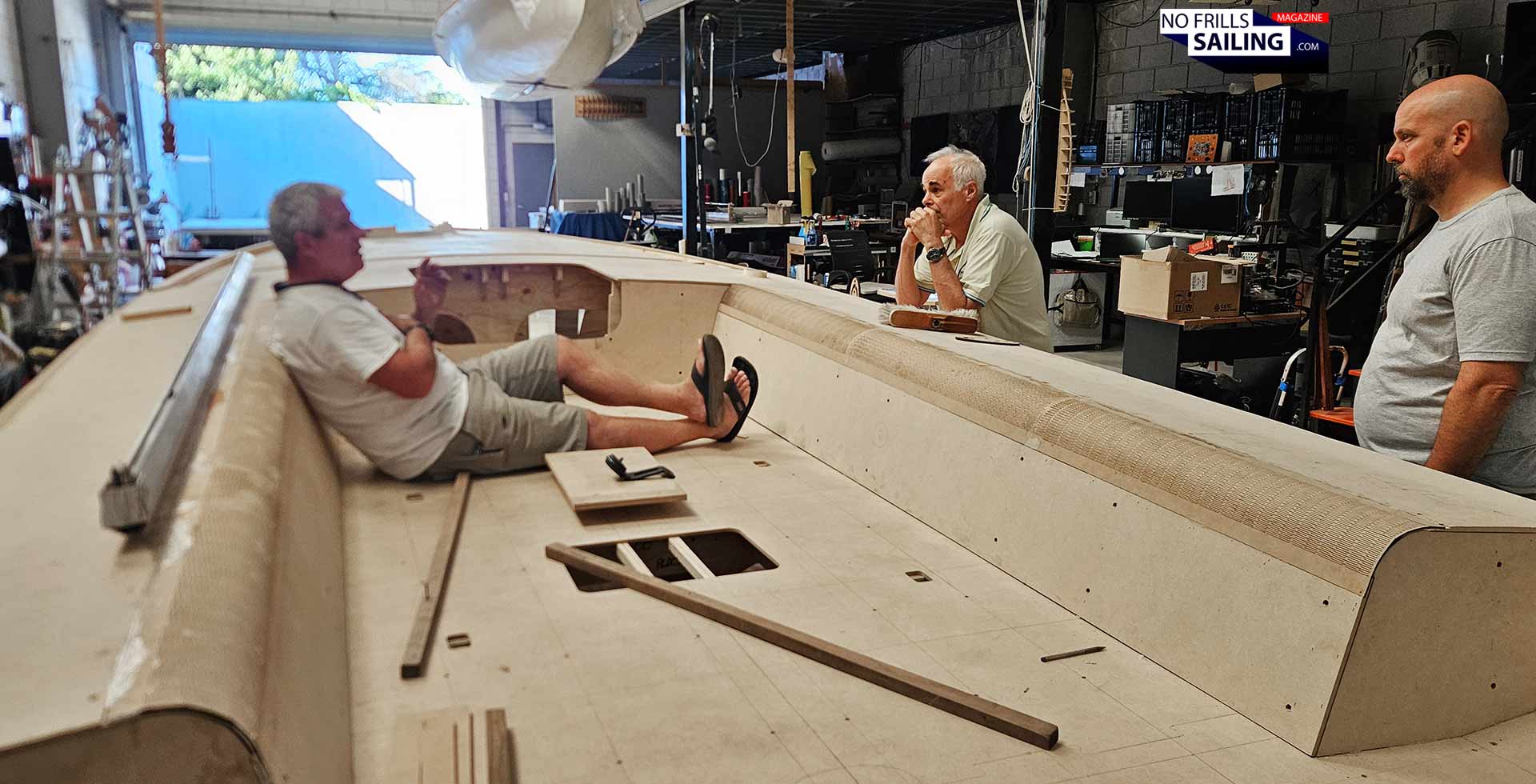
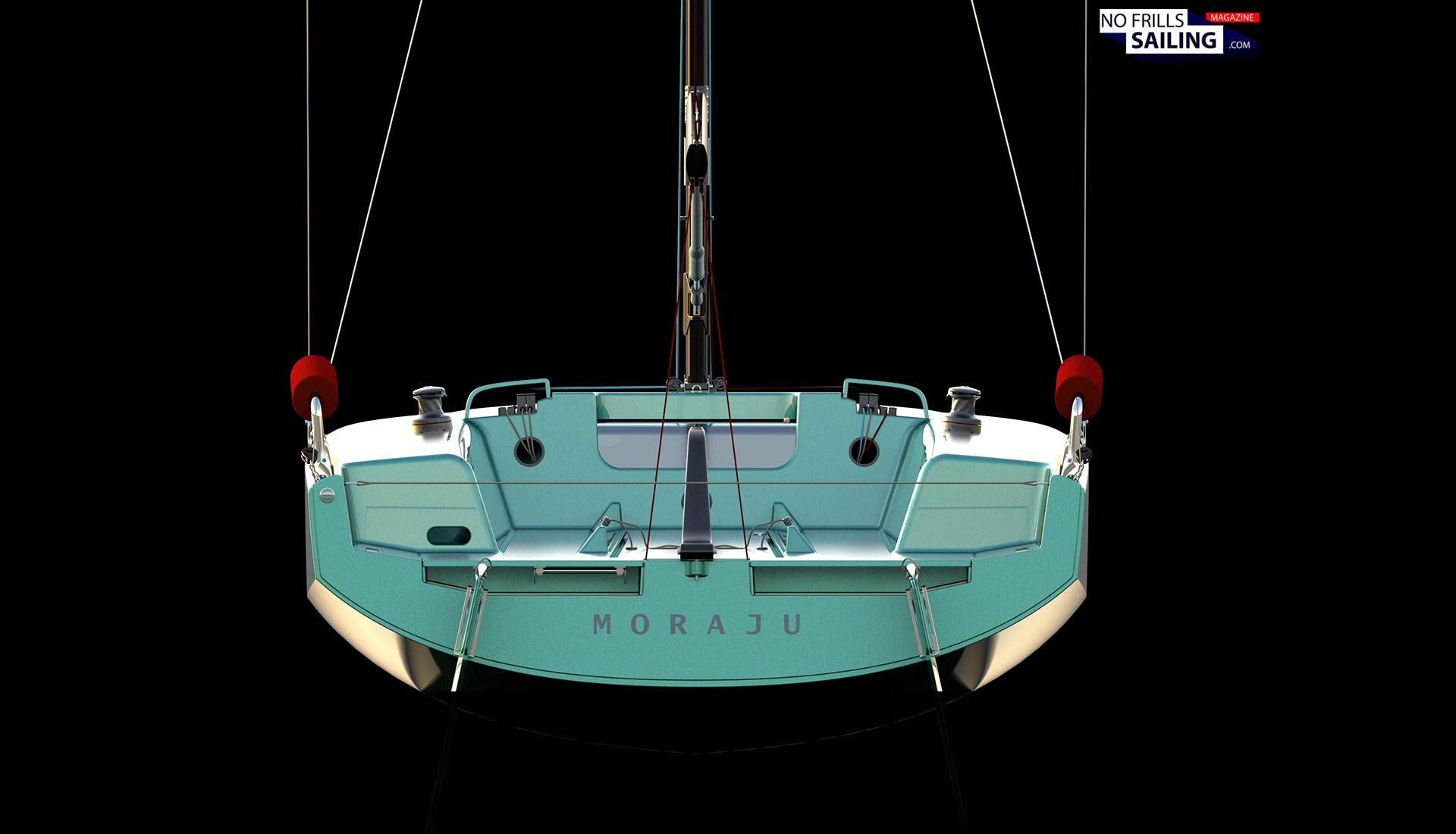
Juan-Pablo: “The original brief was quite simple: A fast, honest 27-footer optimized for European lakes, easily handled short-handed, and ORC certified. But on the other hand I did not want it to be artificially optimized to win only on paper. We wanted a boat where the large asymmetric spinnaker is a pure fun factor, not a fear factor. Something a small crew can handle safely and want to deploy every single time. From there, it became a highly rigorous development process. We built a full-scale, 1:1 deck mock-up of the DS-27 to walk around on and test before a single piece of glass was laminated. We are now building a second 1:1 mock-up of the forward half of the boat to refine the interior. Because the freeboard is kept low to maintain a sleek profile, the headroom is naturally limited, but we want to make sure the interior space is genuinely useful, comfortable, and highly thought-out.”
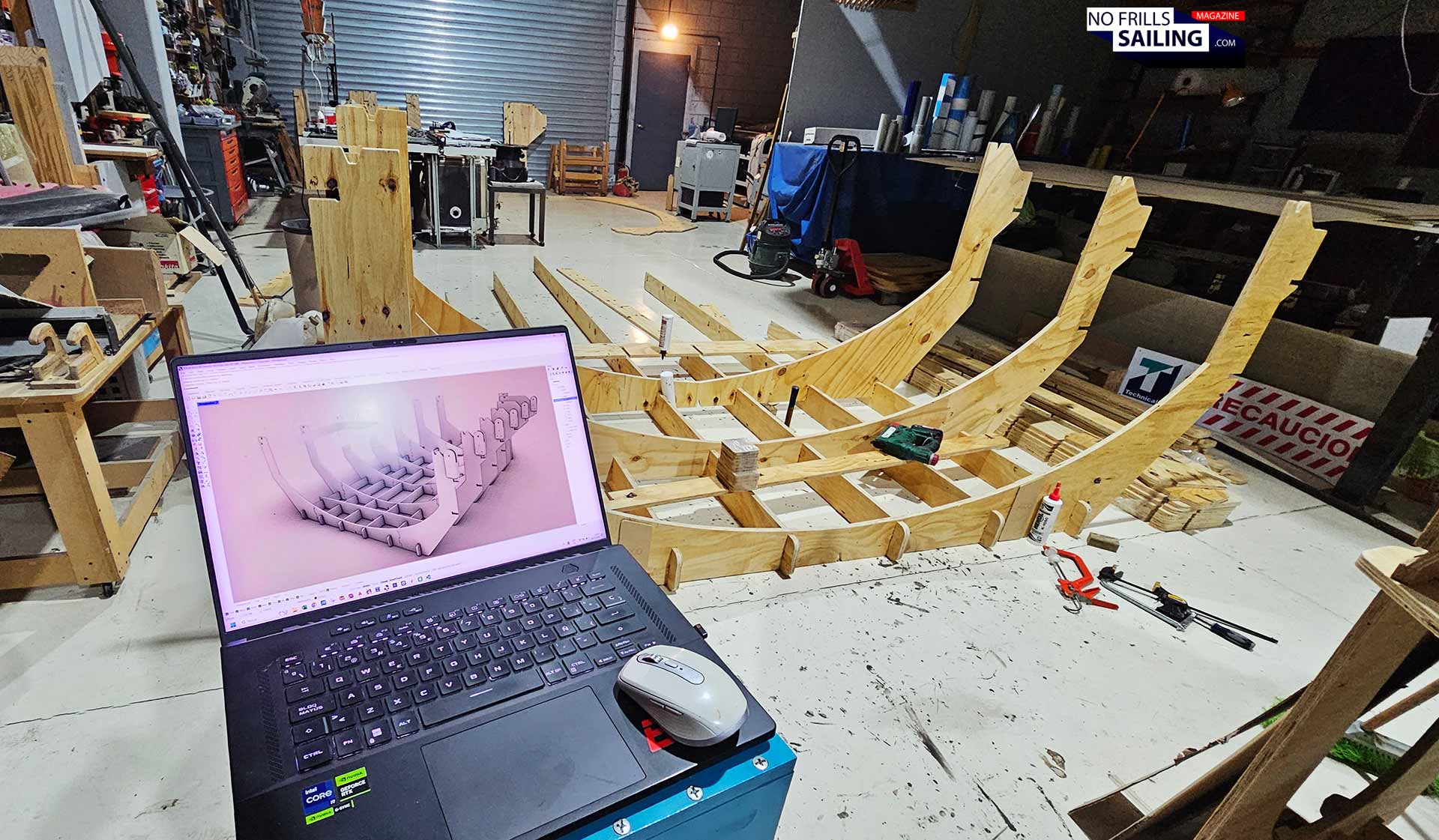
Juan-Pablo: “It sounds obvious in hindsight, but building physical mock-ups is surprisingly rare in this size range. Every decision about winch placement, control line routing, and cockpit ergonomics can only be truly verified when you stand on the actual geometry and go through the physical motions of sailing. Things that looked perfect on a computer screen moved 20 or 30 centimeters once we put our bodies in active sailing positions. Mimicking a 20-degree heel and reaching for a control that wasn’t quite where your hand naturally expected it. Alongside that, we have been working on the maneuver systems with professionals who have real pedigree at the highest level of sport, including sailors and designers active in the TP52 Super Series circuit. Their input on optimizing for short-handed use without compromising performance comes from real-world experience that simply doesn’t exist on a drawing board.”

Juan-Pablo: “Javier’s response to all of this has been exactly what you would hope for from a designer of his caliber. He takes the brief seriously and is genuinely willing to iterate. There is a real, active conversation happening between the naval architecture, the build, and the practical experience of the sailors who will actually handle the boat.”
Technical hard facts about the DS-27
NO FRILLS SAILING.com | Lars Reisberg: “What are the principle facts of your DS-27 design? What will she be like, which type of sailing is possible and how is this boat different from others?”
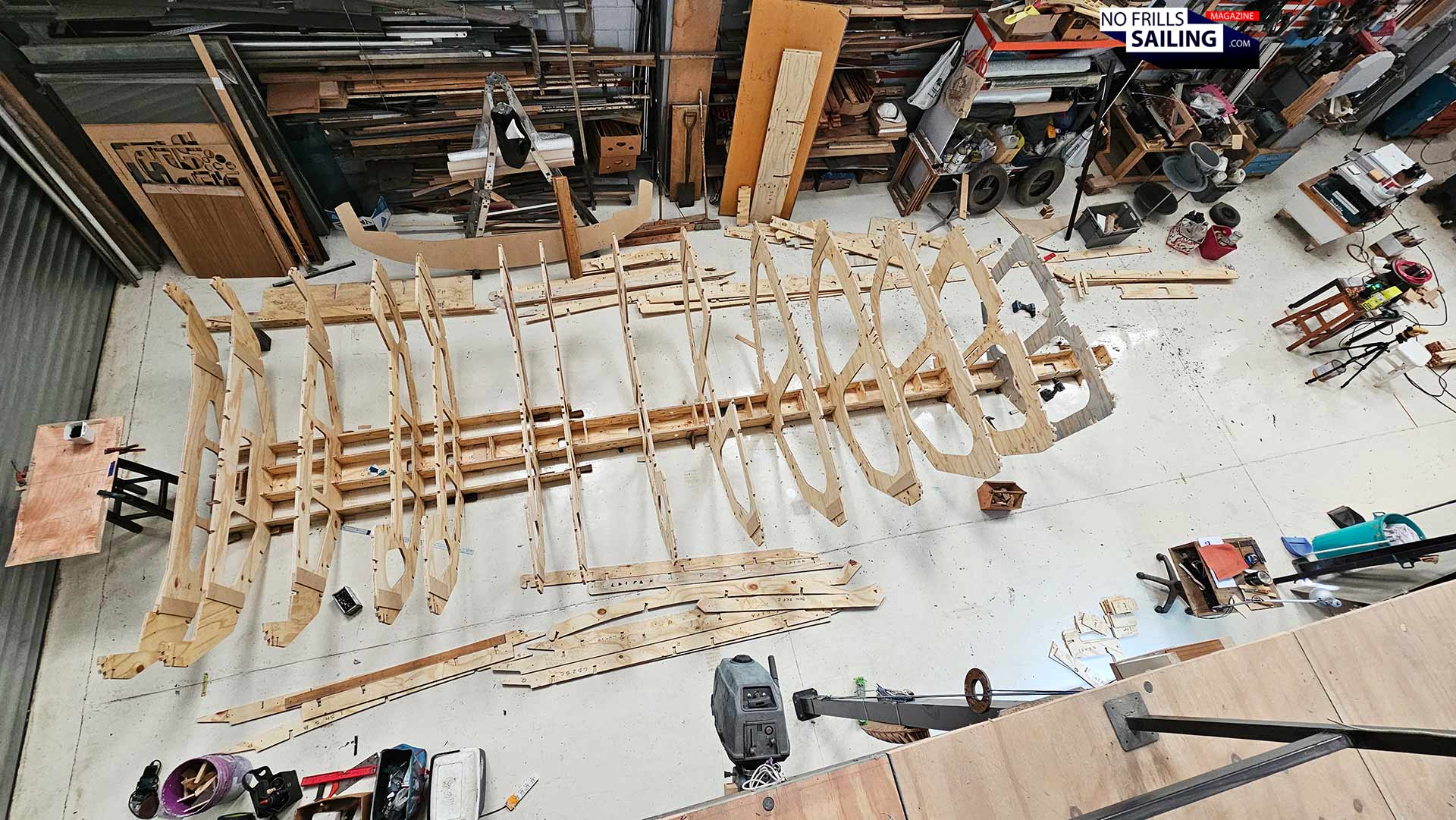
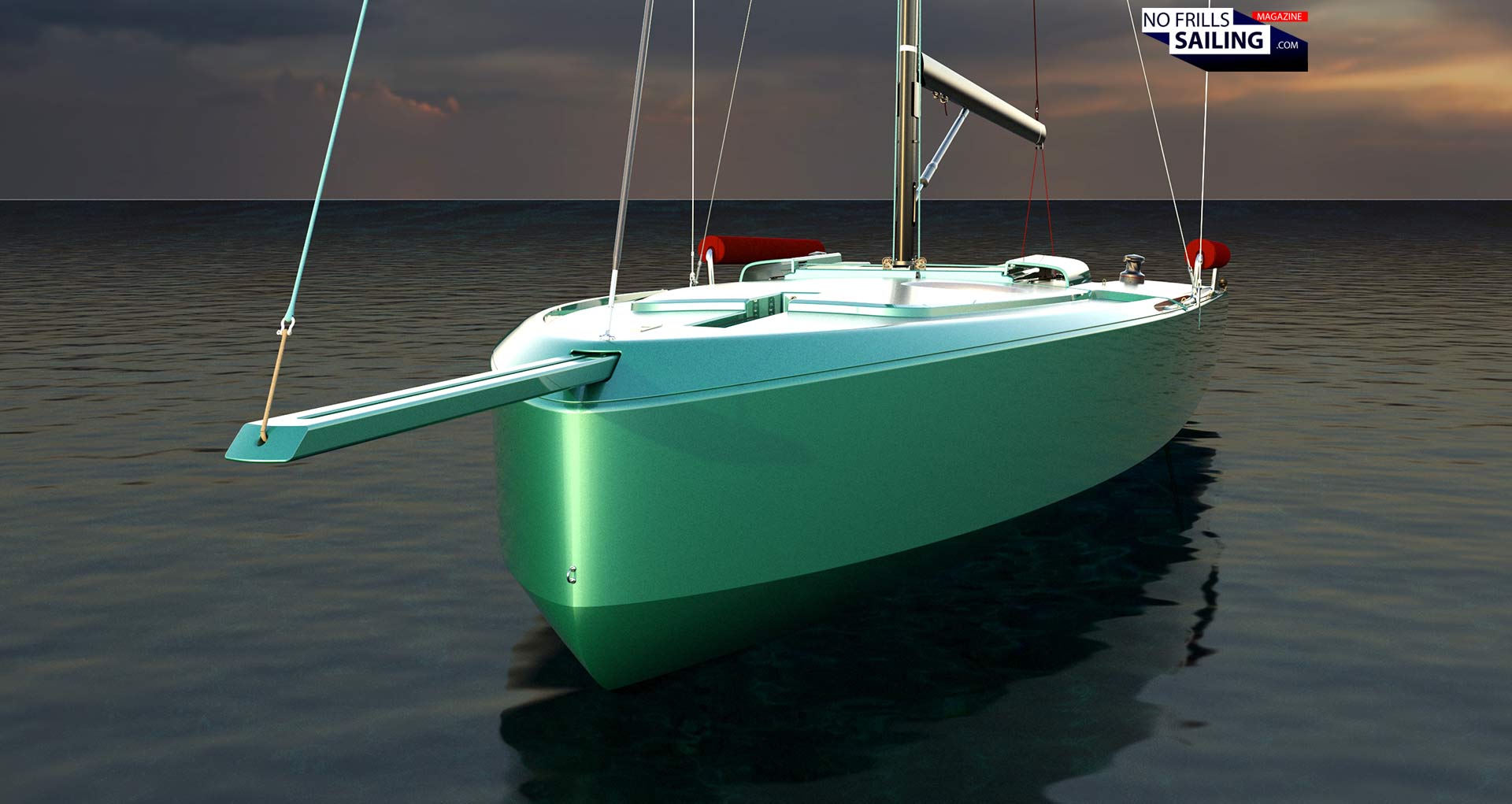
Juan-Pablo: “So, the DS-27 is an 8.23-meter performance daysailer constructed using vacuum-infused epoxy with a PVC foam core, designed to be ORC certified. We offer both fixed and swing keel-options, the swing keel version is designed with European lake drafts and easy trailering in mind. The polars show performance up to 16 knots at favorable downwind angles: And this is the ORC certificate talking, not a marketing brochure! We are also integrating our onboard coaching technology, TrimSense, into the platform from the outset. We think of this as a genuine differentiator! A system that makes the performance of the boat accessible and legible, whether you are an experienced racer or someone returning to the sport after years away. We should do another article on this one, Lars!”
Juan-Pablo: “you ask about inspiration or comparison: I find the Seascape is a brilliantly designed boat, fast and honest, and it is exactly the right reference point for us. However, it addresses a slightly broader program with more systems and a focus on offshore adventure. We thought carefully about what those choices really mean for the daysailer owner and made deliberate, disciplined decisions about what to include and what to leave out. The Saffier, on the other hand, sits at a different end of the spectrum. Optimized for relaxed lounging and a different style of daysailing. The RS range has also done interesting things with accessibility at this scale. The ClubSwan 28 is the comparison we hear most often, likely because both Javier and Juan Kouyoumdjian are Argentine designers working for top European brands. But they are entirely different propositions: The ClubSwan is a pure one-design racing machine that requires a five-person crew and a dedicated racing circuit. The DS-27 is trying to do something quite specific: Deliver serious performance and exceptional build quality for a crew of two or three who want to sail fast, sail well, and head home already planning their next outing. She is not a compromise cruiser, nor is she a high-stress racing machine. She is a pure, refined daysailer designed to maximize your enjoyment on the water.”
NO FRILLS SAILING.com | Lars Reisberg: “Let us delve a bit deeper into the other other boats you´ve just mentioned. Can you give any “good” examples and also any “no-go” examples?”
Juan-Pablo: “It´s a bit more complicated than just black and white. See, the inspiration was never a specific competitor. It was a specific kind of sailing day. The kind of day where everything works seamlessly, where you are powered up just enough to feel the excitement, where the crew is small, but everyone has an active role, and you arrive back at the dock already looking forward to the next time. That feeling is what we are designing toward. In terms of design standards, Javier’s own portfolio sets the bar. Within the wider 25 to 30-feet market, we have immense respect for several concepts, including the First 27 SE, which is a genuinely well-resolved design in terms of accessibility and performance balance.”
Juan-Pablo: “What we actively wanted to avoid, and this is perhaps the more instructive category, is the boat where hoisting the large downwind sail becomes a source of crew anxiety, leading them to debate deploying it, or simply keeping it packed away in the bag! We also wanted to avoid the boat that demands a full crew to perform, or the one where you spend more time on setup and breakdown than you do actually sailing. Getting short-handed handling right across a wide range of conditions, safely and repeatably, is where a significant portion of our engineering effort has been focused. It is not a simple problem to solve. But the difference between getting it right and getting it wrong is the difference between a boat that people actively sail and one that stays tied to the dock.”
The current state of the DS-27 project in Argentina
NO FRILLS SAILING.com | Lars Reisberg: “I really appreciate the depth of your thoughts, JP, it´s fascinating! What’s the current state of the project? Which milestones are next up and when is the first boat expected to hit the water?”
Juan-Pablo: “Thanks, Lars! Well, we are currently in the phase we think of as the most critical one: Doing it right before doing it fast. Right now, the full-scale deck mock-up is active. We are making real, tangible decisions about ergonomics, control line routing, maneuver layout, and constructability. Things you can only truly verify by standing on the actual geometry of the boat and going through the physical motions of sailing. That process is ongoing and is directly shaping the final build.”
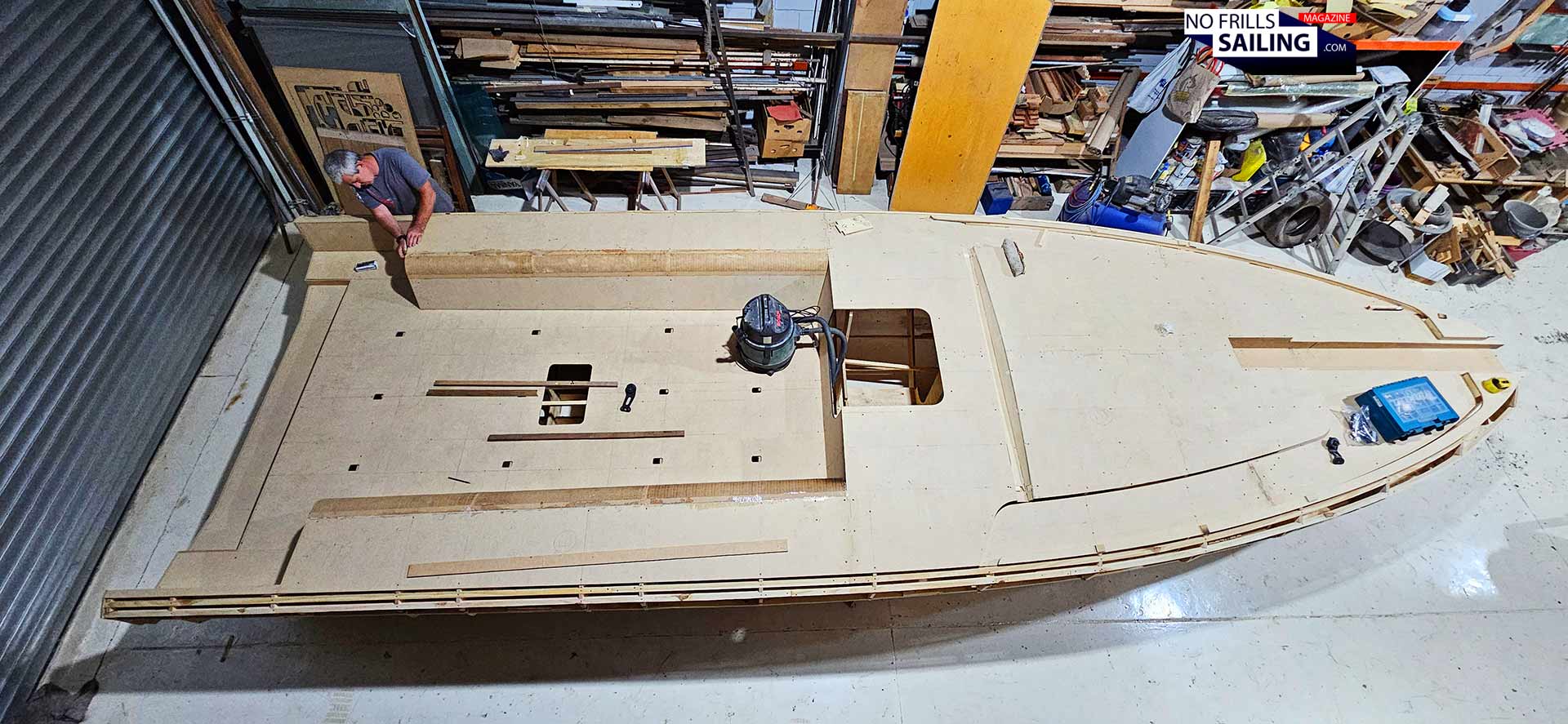
Juan-Pablo: “In parallel, the deck layout and systems engineering are progressing with the input from the TP52 world I mentioned. This development happens concurrently, not sequentially: We aren’t waiting until the hull is laminated to start figuring out how the lines will run. We have also been analyzing over twenty years of high-resolution meteorological records across the major European alpine lake systems. This included the Lake of Constance, Lago di Garda, Zürichsee, Attersee, Lago Maggiore and Lago di Como. Not because we couldn’t make reasonable assumptions, but because we wanted to be certain. We want the DS-27 to be genuinely optimized for the precise conditions of the venues where we hope she will sail. As for the timeline: We build to a standard, not a schedule. When we have something exciting to show, you will be among the first to know, promised!”
NO FRILLS SAILING.com | Lars Reisberg: “Do you already have a shipyard that will be building the boats? What will be the price range targeted for the DS-27?”
Juan-Pablo: “The first boats are being built right here in Argentina. And I want to emphasize that, because it matters far more than it might seem from the outside. We are not just developing a boat; we are developing a precise manufacturing process with the capacity to replicate it in other locations as the project scales. My partner in this project is Ezequiel Sirito. Ezequiel was the General Manager of King Marine in Valencia during the era when they built America’s Cup hulls for the Desafío Español, three TP52s, including the Matador programs, and the Volvo 70 TELEFONICA BLUE. He subsequently managed some of the most technically demanding yacht builds in the Southern Hemisphere, including DONA FRANCISCA, a 52.5-meter carbon schooner that remains one of the largest carbon sailing yachts ever constructed. He now runs Coyote Lab, developing advanced systems for the TP52 Super Series circuit. He is the bridge that brings that grand prix expertise directly into the DS-27 development team.”
Juan-Pablo: “I am sharing this because “built in Argentina” may sound, to a European ear, like a compromise. It isn’t! In reality, it means absolute control over build quality, a team with proven experience at the very pinnacle of performance boatbuilding, and a construction process, that is vacuum-infused epoxy with a PVC foam core, which guarantees the structural stiffness and integrity this performance level demands. Ezequiel and Javier have a long history of working together at this level on successful, delivered projects. That shared experience and trust matter immensely! Now, on pricing: We will communicate that formally when we are closer to delivery. What we can say now is that the DS-27 will be priced highly competitively for the premium performance daysailer market. It will represent exceptional value for the level of engineering and construction we are offering.”
Launching a new boat in the current market
NO FRILLS SAILING.com | Lars Reisberg: “Last not least: I find it quite bold, or shall I say a bit crazy?, to launch a new boat-brand into a market that is basically flat-out “dead” at the moment. What are your sales prospects, where do you see your customers and why do you think that your boat will become a success?”
Juan-Pablo: thinks about it a bit longer “Dead? I would gently push back on that. At least our target segment has actually seen more innovative and exciting launches in the past two years than in the previous decade! There is genuinely interesting work being done by several builders. We have immense respect for that, and we know exactly what we are stepping into. But the distinction we make is this: The market isn’t lacking boats. What it is short of is a short-handed, high-performance daysailer where every system has been engineered with the same architectural rigor that goes into a TP52 program, and then applied entirely to simplifying the experience of a small crew on a Saturday afternoon. That is a highly specific target, and we believe it is deeply underserved.”
Juan-Pablo: “Our customer is someone who knows how to sail, lives a demanding life, and wants their time on the water to be pure, unadulterated fun. They don’t want to spend their precious weekend hours wrestling with the boat or managing its limitations, they want to spend it sailing. We believe that sailors exist on every alpine lake in Central Europe, and we are increasingly finding that the same holds true in North America. They have been waiting for the right boat. As for bold or crazy, as Argentines, our sense of risk and opportunity may be calibrated a little differently than that of yours or your readers. We operate in an environment where uncertainty is the baseline, not the exception. That reality tends to sharpen your judgment about what is worth doing, and what is just noise.”
Juan-Pablo: “The honest answer also involves saying this: We don’t think of the DS-27 as just a standalone boat. We think of ourselves as a team developing applied nautical technology, and the DS-27 is our first physical platform. The innovations we are building into her, in the systems, in the coaching technology, and in the data, we are accumulating about real sailing conditions, will have a life far beyond this single design. The DS-27 is where we start; it isn’t where we stop. We know it is a highly competitive market, but we believe there is always room for those who genuinely solve a real problem. We are committed to solving this one properly.”
Thanks so much, Juan-Pablo! It is absolutely exciting not just only to watch you developing the project in tech terms, but also seeing a man doing what he absolutely loves and cares about with so much passion! I am really excited and look forward to see your DS-27 come to live!
More articles on small, interesting boats:
A little box of chocolates: Bente 28
Why I loved the First 27 SE so much
Woy with a wow: Wooden boatbuilding at its best